
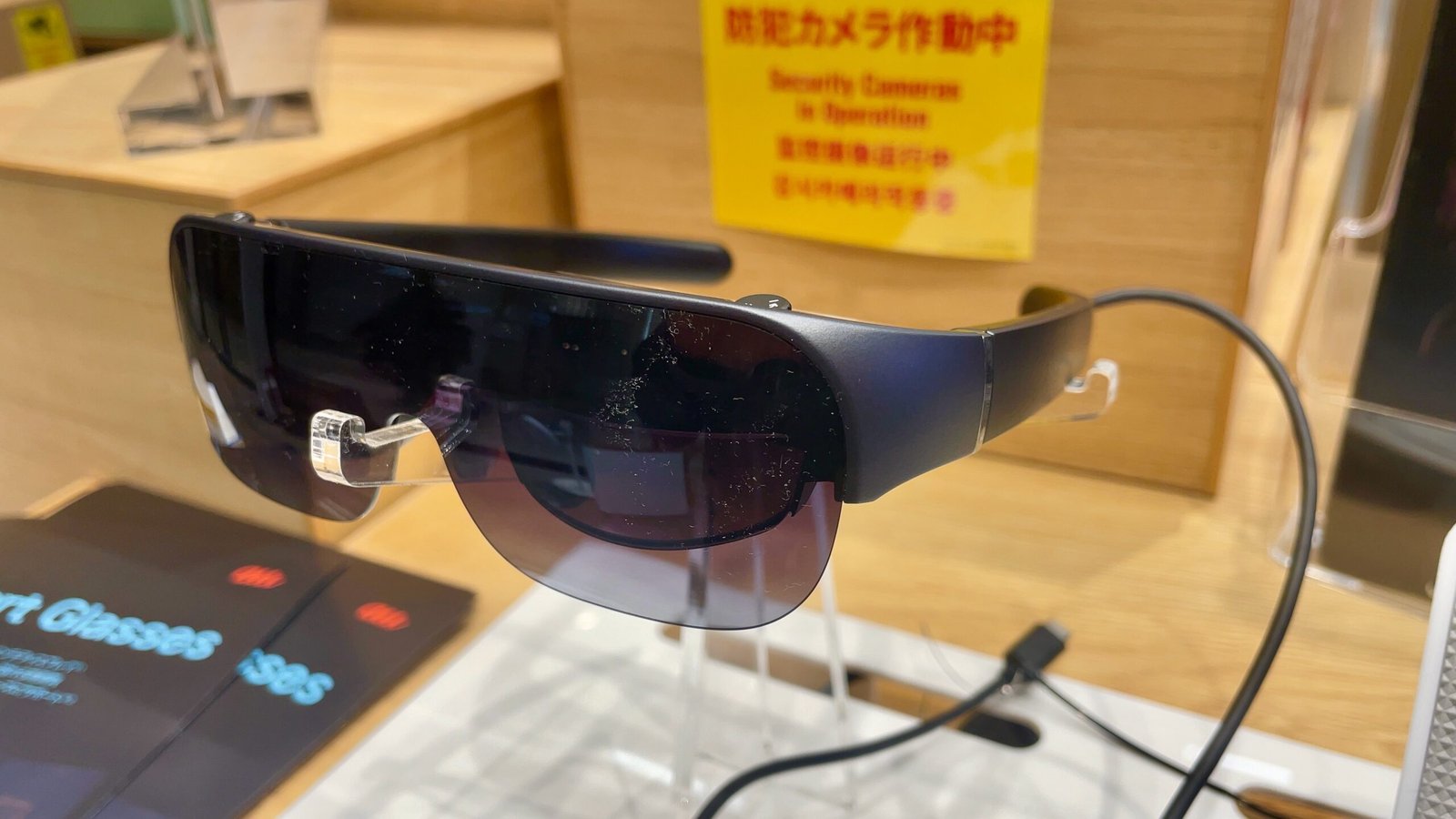
Meta Unveils Ray-Ban Meta Gen 3 Smart Glasses Starting at $449
Meta unveils the Ray-Ban Meta Gen 3 smart glasses, expanding its AI-powered eyewear lineup with a starting price of $449, according to a September 24, 2026 report from Tech Startups.
What Happened
Table of Contents
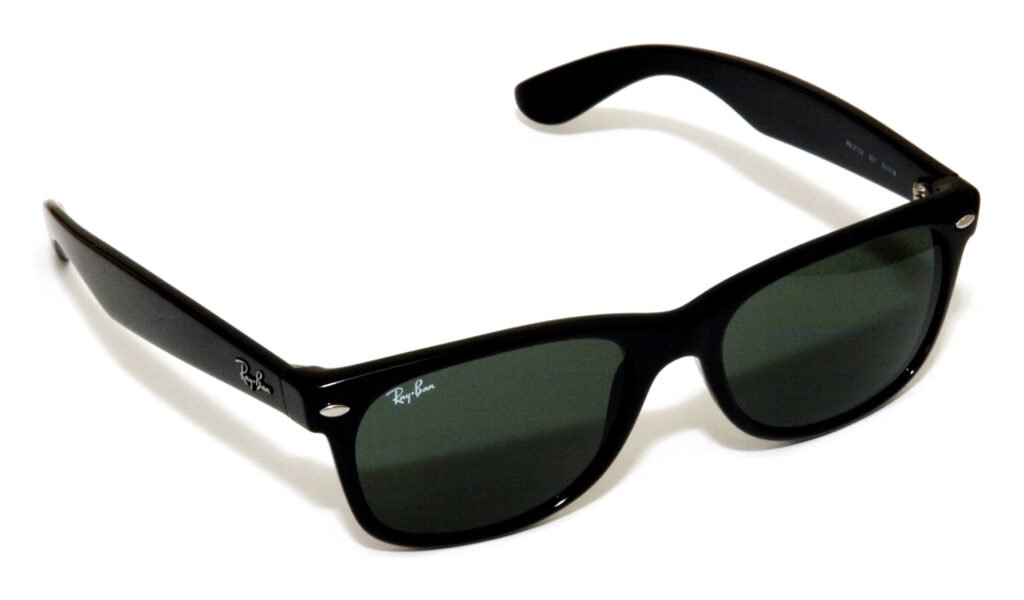
Meta introduced the Ray-Ban Meta Gen 3, the latest generation of its smart glasses developed in partnership with EssilorLuxottica, featuring improved battery life, an additional onboard microphone, and new programmable controls. The company also introduced Ray-Ban Meta Audio, a camera-free variant of the glasses aimed at users who want the audio and AI assistant features without an integrated camera.
Meta said it expects more than 100 glasses configurations to be available by the end of the year, reflecting an aggressive push to expand style and feature options across its wearable AI lineup. The company is also adding a Private Processing architecture intended to handle certain data on-device or through confidential computing methods rather than standard cloud processing.
Why It Matters
Smart glasses have emerged as one of the more commercially successful form factors for consumer AI hardware, and Meta’s continued investment and rapid iteration — reaching a third generation alongside a camera-free variant — suggests the category is generating enough demand to justify expanded configurations rather than a single flagship design.
The addition of Private Processing also responds to a recurring concern about camera-equipped wearables: how much data about the wearer’s surroundings, including images of other people, gets sent to the cloud and how it’s handled. Meta positioning this as a headline feature suggests the company sees privacy concerns as a meaningful factor in continued adoption.
What Consumers Should Know
- Pricing starts at $449 for the Ray-Ban Meta Gen 3
- Ray-Ban Meta Audio offers the AI and audio features without a built-in camera
- Meta expects over 100 total glasses configurations available by year-end
- Private Processing is designed to handle certain data without standard cloud transmission
What Happens Next
Meta will roll out additional glasses configurations through the remainder of the year as it works toward its stated goal of more than 100 available styles. Reviewers and early buyers are likely to test the real-world battery life improvements and the practical effectiveness of the new Private Processing architecture once units begin shipping broadly.
Background
Meta’s smart glasses line grew out of a partnership with EssilorLuxottica, the eyewear conglomerate behind Ray-Ban, Oakley, and several other major brands, first launching under the Ray-Ban Stories name before evolving into the current Ray-Ban Meta lineup. The pitch has consistently been that AI features work best when built into a form factor people already wear every day, rather than requiring a separate headset or dedicated device. Earlier generations added a built-in camera for hands-free photo and video capture, a voice-activated AI assistant for answering questions and describing surroundings, and open-ear speakers for music and calls, all housed inside otherwise ordinary-looking sunglasses and eyeglasses frames.
That approach has made the category one of the few consumer AI hardware products to gain real traction outside of smartphones, and competitors including Google, Samsung, and various smaller startups have pursued similar smart-glasses concepts with varying degrees of commercial success. Meta’s decision to expand rather than consolidate its lineup, adding a camera-free audio-only option alongside the flagship Gen 3 model, indicates the company sees distinct customer segments within the category: some buyers primarily want the camera and capture features, while others are drawn mainly to the AI assistant and audio functions and may be more price-sensitive or privacy-conscious about an integrated camera.
What It Means for Consumers
Splitting the lineup into a full-featured camera model and a camera-free audio model gives Meta a way to compete on price and use case at the same time. The $449 starting point for the Gen 3 keeps the glasses positioned as a premium accessory rather than a mass-market commodity, while a camera-free variant priced for audio and assistant features alone opens the product to buyers who were previously uncomfortable with an always-available camera on their face in social settings, workplaces, or public spaces where recording others raises consent questions. Reaching more than 100 planned configurations by year-end also signals that Meta is treating smart glasses less like a single gadget release and more like a fashion and accessories category, with frame styles, lens types, and colors meant to appeal to as broad a range of shoppers as traditional Ray-Ban eyewear already does.
The introduction of Private Processing is likely to matter most to the subset of buyers who have been hesitant about camera-equipped wearables specifically because of how captured data is handled. Confidential computing and on-device processing approaches are designed to limit how much raw data — including images of bystanders who did not consent to being recorded — travels to and is retained on company servers. Whether Private Processing meaningfully changes public perception of smart glasses will likely depend less on Meta’s own description of the feature and more on independent security researchers’ assessments once the architecture is available for outside testing, and on how clearly Meta communicates the feature’s actual scope and limitations to everyday buyers who may not otherwise think closely about where their glasses’ data goes.
The launch also arrives as Meta continues to position wearable AI as a pillar of its long-term hardware strategy, alongside its investments in virtual and mixed reality headsets under the Quest brand. Smart glasses require far less of a behavioral shift from consumers than a headset does, since they replace a product — sunglasses or prescription eyewear — that many people already buy and wear daily, which helps explain why Meta has prioritized rapid iteration and expanded configurations for this category over its bulkier VR hardware.
Frequently Asked Questions
How much do the Ray-Ban Meta Gen 3 glasses cost?
The Ray-Ban Meta Gen 3 starts at $449, according to Meta’s announcement covered by Tech Startups on September 24, 2026.
What is Ray-Ban Meta Audio?
Ray-Ban Meta Audio is a camera-free version of the smart glasses, aimed at users who want the audio and AI assistant capabilities without an integrated camera.
What is Private Processing?
Private Processing is a new architecture Meta is adding to its smart glasses that is designed to handle certain data through confidential computing methods rather than standard cloud processing, aimed at addressing privacy concerns around camera-equipped wearables.
Related Articles
- Apple AirTag Upgrade Reveals Powerful Tracking Enhancements
- Tesla Autopilot Subscription Shift: What It Means for Buyers





3 Comments