
TSMC’s Advanced Chip Costs Are Now Cheaper Than the Memory Going Inside AI Servers
TSMC chip costs are now cheaper than AI memory, according to a September 24, 2026 report from Sammy Fans, in a role reversal that captures just how much the AI boom has reshaped the semiconductor industry’s economics.
What Happened
Table of Contents
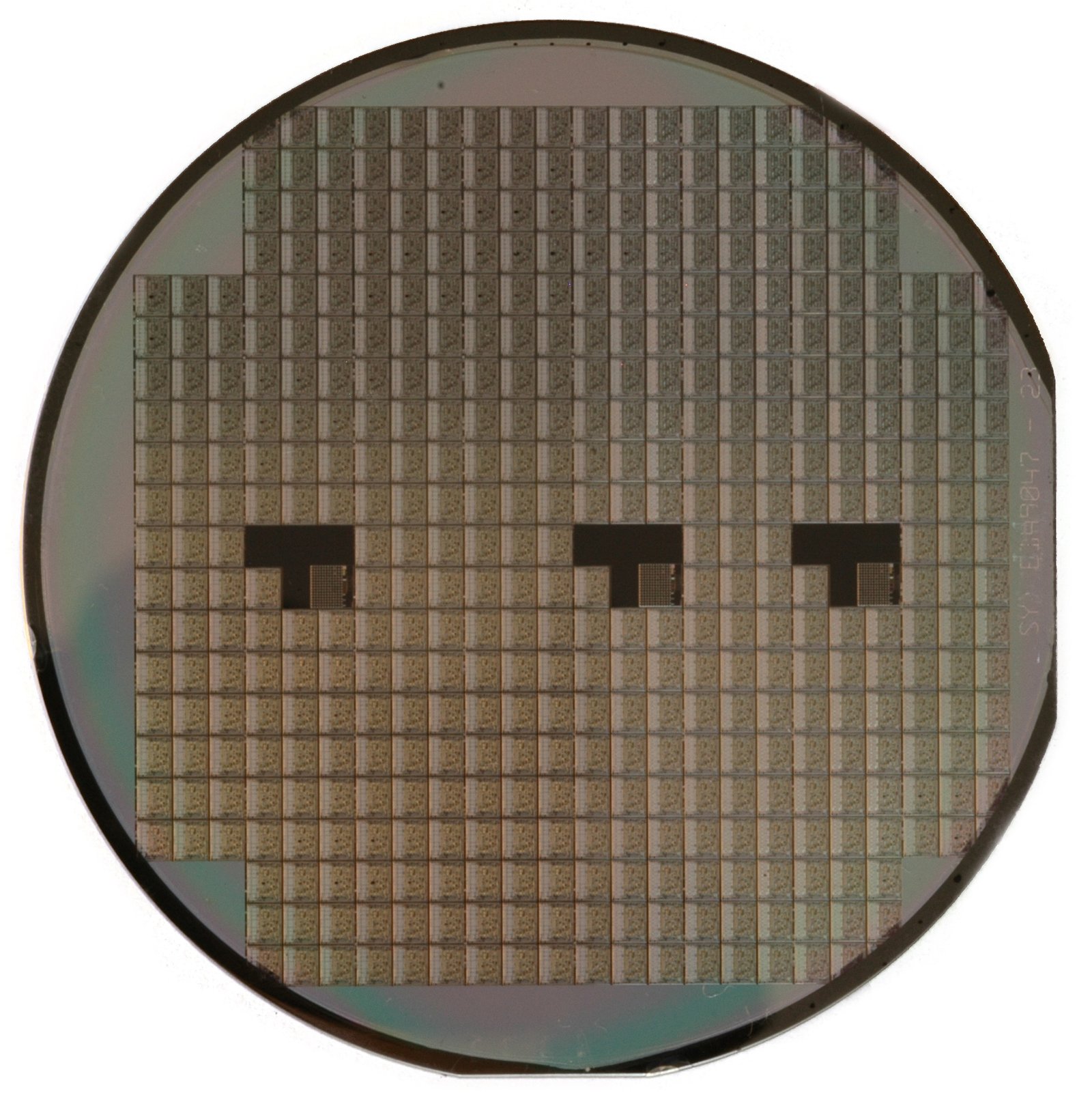
According to data cited from Kernel Insights and DRAMeXchange, TSMC’s 3nm wafer production costs approximately $20,000, or $0.283 per square millimeter, while its 2nm wafers cost around $30,000, or $0.424 per square millimeter. Meanwhile, advanced DRAM memory valuations have climbed to $0.329 per square millimeter for 1y-generation chips, $0.410 for 1z, and $0.654 for the newest 1b generation — meaning the newest DRAM now costs more than 50% above TSMC’s 2nm processing costs on a per-area basis.
Separately, DDR5 memory chips have been trading at an average of $24.80 for 16-gigabit units, or about $1.55 per gigabit, reflecting the same broader pricing pressure across the memory market.
Why It Matters
For most of the semiconductor industry’s history, leading-edge logic chips — the kind TSMC manufactures for companies like Apple, Nvidia and Qualcomm — have generally been viewed as the most expensive and technically demanding component in modern electronics. Advanced memory now costing more per unit of area than cutting-edge logic manufacturing is a striking signal of how surging AI demand has pushed computer memory requirements, and prices, to historically elevated levels.
The comparison does come with an important caveat: TSMC’s figures represent manufacturing costs for logic wafers, while the DRAM figures reflect finished chip market value, which includes additional packaging and testing expenses not captured in the raw wafer cost comparison. Even accounting for that difference, the scale of DRAM’s price increase highlights genuine strain in the memory supply chain.
What the Industry Is Watching
- Whether memory manufacturers expand capacity fast enough to ease pricing pressure
- How rising DRAM costs affect pricing for AI servers and consumer electronics
- Whether TSMC adjusts its own pricing as its relative cost position shifts
- Broader supply chain effects on smartphone and PC memory pricing
What Happens Next
Memory makers are likely to keep investing heavily in new capacity to meet AI-driven demand, but expanding advanced DRAM production takes years, not months, meaning elevated pricing could persist well into 2027. Companies building AI servers and consumer devices will need to factor these higher memory costs into their own pricing and margin planning in the meantime.
Background
TSMC, or Taiwan Semiconductor Manufacturing Company, is the world’s largest contract chip manufacturer, or foundry, producing processors designed by companies such as Apple, Nvidia, AMD and Qualcomm rather than selling chips under its own brand. Its leading-edge nodes, including the 3-nanometer and 2-nanometer processes referenced in the report, represent the most advanced logic manufacturing technology commercially available, and building a single new fabrication plant capable of producing them can cost tens of billions of dollars. That scale and complexity has historically made TSMC’s processes among the most expensive manufacturing steps in any device’s supply chain.
DRAM, by contrast, has traditionally been treated as a commodity component, with prices that rise and fall in cycles driven by supply and demand rather than by the kind of steady technological premium associated with leading-edge logic. Memory manufacturers including Samsung, SK Hynix and Micron compete heavily on price and periodically face oversupply that drives DRAM prices down for extended stretches. The current environment, in which advanced DRAM commands a higher per-area cost than TSMC’s newest logic process, represents an unusual reversal of that historical pattern and reflects just how tight AI-driven memory demand has become relative to available supply.
What It Means for the AI Supply Chain
AI servers rely on large quantities of high-bandwidth memory to feed data to processors fast enough to keep pace with modern AI accelerators, and that requirement has made memory, rather than logic processing alone, an increasingly significant driver of total system cost. As memory becomes a larger share of the bill of materials for AI servers, companies building and selling that hardware may face pressure on profit margins unless they can pass the higher costs on to customers, or unless memory prices ease as new capacity comes online.
The shift also has implications beyond the data center. Because DRAM is a shared input across servers, personal computers, smartphones and countless other electronics, tight AI-driven demand for memory can spill over into higher prices for consumer devices even when those products have nothing to do with AI directly. Memory shortages and price spikes have historically rippled through the broader electronics industry in this way, and the current cycle appears to be following a similar pattern, only with AI infrastructure build-outs as the primary driver rather than a shortage tied to a single product category.
For TSMC specifically, its improved relative cost position does not necessarily translate into higher profits on its own, since the company’s pricing for customers like Nvidia and Apple is negotiated separately from the underlying manufacturing cost comparison highlighted in the report. Still, the data point underscores TSMC’s continued central role in the AI hardware ecosystem, supplying the processors that sit alongside increasingly expensive memory in every AI server being built.
Frequently Asked Questions
Why is AI memory now more expensive than advanced chip manufacturing?
Surging demand for AI servers has sharply increased the need for high-density memory chips, pushing DRAM prices up faster than the cost of manufacturing advanced logic chips at TSMC, according to data from Kernel Insights and DRAMeXchange.
What is DRAM and why does it matter for AI?
DRAM (dynamic random-access memory) is the working memory used in servers, PCs and smartphones. AI workloads require large amounts of high-bandwidth memory to move data quickly between processors and memory, driving intense demand for the newest DRAM generations.
Will chip and memory prices come down soon?
Building new memory fabrication capacity typically takes several years, so most industry watchers do not expect near-term relief. Prices are more likely to stay elevated until new capacity comes online in 2027 or later.
Related Articles
- ASML Stock Moves and Infineon Strength Amid AI Boom
- AI Data Center Growth: Palantir Leads with Nvidia and Dell on Sovereign Infrastructure




One Comment