Trump and Xi Extend US-China Trade Truce Through January 2027
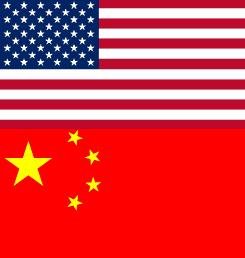
Trump and Xi extend the US-China trade truce through January 10, 2027, Treasury Secretary Scott Bessent announced on September 24, 2026, as Chinese President Xi Jinping arrived in Washington for his first visit to the United States in nearly three years.
What Happened
Table of Contents
According to Yahoo Finance’s live markets coverage, Bessent confirmed that the US and China would extend their existing trade truce through January 10, 2027, with AI competition and critical minerals access remaining central topics between the two governments. China had confirmed the state visit days earlier, with Bloomberg reporting it as Xi’s first trip to the US in nearly three years.
The visit and the truce extension landed on a day when US markets were already under pressure from a sharp rise in Treasury yields, with the S&P 500 and Nasdaq both closing lower even as the trade news offered some measure of reassurance to investors watching for a rupture in the relationship between the world’s two largest economies.

Why It Matters
An extended truce removes, at least temporarily, the risk of a fresh round of tariff escalation between the US and China, which has been a recurring source of market volatility throughout 2026. AI competition and critical minerals — two of the areas flagged as ongoing discussion points — sit at the center of the broader strategic rivalry between the two countries, given China’s dominant position in rare earth and critical mineral supply chains and both nations’ investment in AI infrastructure.
For companies with significant China exposure, from chipmakers to consumer goods manufacturers, a extended truce provides a longer planning horizon than a shorter-term rollover would have, even if it does not resolve the underlying disputes over trade practices and technology access.
What Businesses Are Watching
- Whether specific agreements emerge from the Trump-Xi talks beyond the truce extension
- Any new commitments on critical minerals access for US manufacturers
- How the AI competition discussion affects export controls on advanced chips
- Market reaction in sectors most exposed to US-China trade, including semiconductors and industrials
What Happens Next
With the truce now extended through January 10, 2027, attention turns to whether the two governments can reach more substantive agreements during Xi’s visit, particularly around critical minerals and technology. Companies and markets will be watching for any joint statements or announcements before Xi’s visit concludes, as well as signs of how the relationship evolves once the current truce period runs its course.
Background on the US-China Trade Relationship
The US and China have cycled through periods of escalating tariffs and negotiated truces for several years, with each rollover typically covering a matter of months rather than resolving the underlying disagreements. Those disputes center on a mix of longstanding issues: the size of the US trade deficit with China, market access for American companies operating in China, intellectual property protections, and, more recently, export controls on advanced semiconductors and the technology used to manufacture them. Every truce extension buys time for both sides without requiring either government to make the kind of structural concessions that would permanently settle these disagreements.
China’s leverage in these talks rests heavily on its dominance of critical minerals and rare earth processing, an area where it controls a large majority of global refining capacity for materials used in everything from electric vehicle batteries to fighter jets and semiconductors. The US, in turn, has used export controls on advanced chips and chipmaking equipment as its primary point of leverage, restricting China’s access to the technology needed to compete in cutting-edge AI development. That two-sided leverage is part of why AI competition and critical minerals access were singled out as the central topics of this round of talks rather than tariffs alone.
How Markets Are Reading the Truce Extension
Investors generally treat a trade truce extension as a reduction in near-term risk rather than a resolution of the broader rivalry, which is consistent with the muted market reaction described alongside this news — the S&P 500 and Nasdaq still closed lower on the day despite the announcement, as the rise in Treasury yields dominated trading. That pattern reflects how markets have priced US-China trade risk throughout 2026: a truce extension removes one source of downside risk but does not, by itself, drive a rally, because it simply maintains the status quo rather than opening new commercial opportunities.
Sectors with the most direct exposure to the relationship, including semiconductor makers, industrial equipment manufacturers, and companies reliant on Chinese-processed critical minerals, tend to see the sharpest moves around trade headlines, since their earnings are the most sensitive to changes in tariff levels or export licensing rules. A longer truce window gives these companies more visibility into costs and supply chains through early 2027, which can support capital planning and inventory decisions even without a permanent trade agreement in place. Analysts covering these sectors will likely look past the truce extension itself toward whatever specific commitments, if any, emerge from Xi’s broader visit.
For manufacturers and importers on both sides of the Pacific, the practical benefit of a longer truce is predictability. Businesses that source components from China or sell into the Chinese market generally need lead time measured in months, not weeks, to adjust supply contracts, shipping arrangements, and pricing. A truce that runs only a few more weeks forces companies to hedge against the possibility of snapback tariffs, often by holding excess inventory or paying a premium for flexible shipping terms. Extending the window to January 2027 gives procurement and finance teams a full additional quarter of clarity, reducing the incentive to build in costly contingencies purely because of trade-policy uncertainty.
Frequently Asked Questions
How long is the US-China trade truce now extended?
Treasury Secretary Scott Bessent announced the truce would run through January 10, 2027, giving both governments additional time before facing another deadline on trade tensions.
What topics are Trump and Xi discussing?
AI competition and critical minerals access were named as key discussion points during Xi’s visit to Washington, reflecting the strategic priorities both governments have placed on these areas.
Why is this Xi’s first US visit in nearly three years?
Diplomatic and trade tensions between the US and China had limited high-level, in-person engagement between the two heads of state in recent years, making this visit a notable step in the relationship.
Related Articles
- US-Canada Tariff Escalation: Powerful Impact on Trade and Consumers in 2026
- Rare Earth Funding in the U.S.: Strategic Moves for Domestic Supply Chains