US-Canada Tariff Escalation: Powerful Impact on Trade and Consumers in 2026
US-Canada Tariff Escalation: What the New Duties Mean for Trade and Consumers
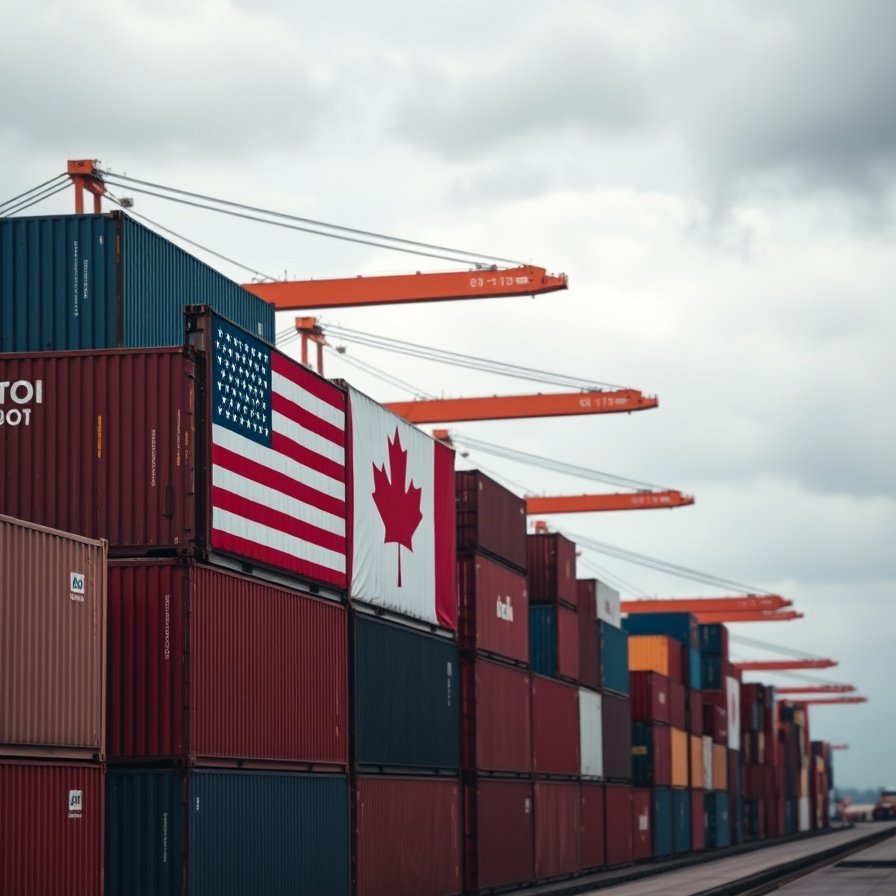
The US-Canada tariff escalation has ratcheted up trade tensions between the two neighbors. Canada’s retaliatory tariffs on roughly $20 billion worth of U.S. goods took effect in early September 2026, arriving alongside a separate dispute over aircraft manufacturer Bombardier’s access to the U.S. market.
Here is what triggered the latest escalation and what it could mean for businesses and shoppers on both sides of the border.
Table of Contents

How the US-Canada Tariff Escalation Unfolded
President Trump said ahead of the new Canadian duties that Bombardier, the Canadian aircraft manufacturer, would not be allowed to sell its products in the U.S. unless it begins manufacturing domestically. Canada responded with retaliatory tariffs on a broad slate of American goods, marking one of the more significant trade flashpoints between the two countries this year.
Why the Timing Matters
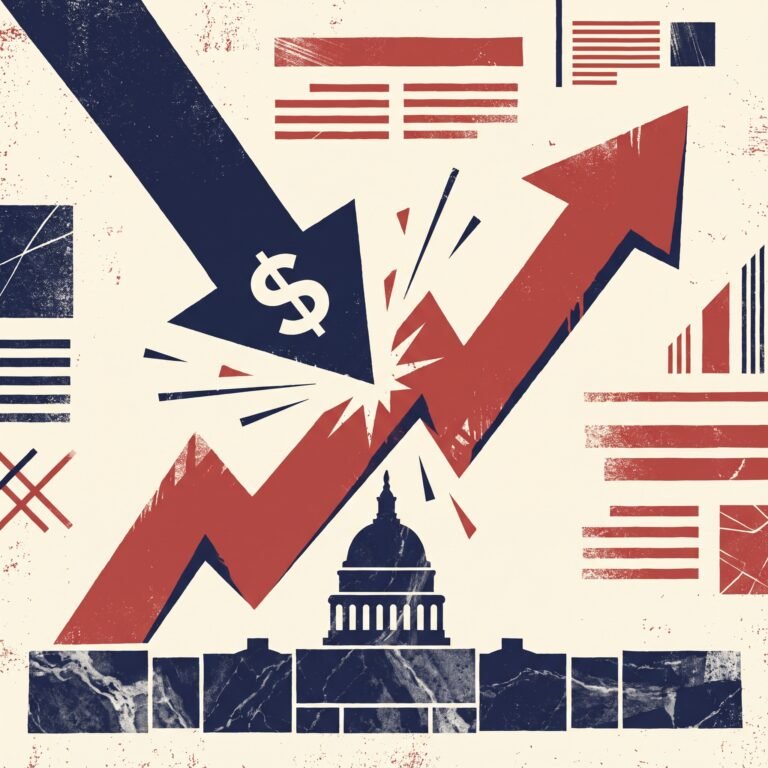
The tariffs landed just as both the Federal Reserve and markets were already grappling with inflation pressure from rising oil prices tied to the Iran conflict. Tariffs function as an added cost that tends to get passed on to consumers, meaning the timing compounds an already difficult inflation picture rather than easing it.
- Canadian retaliatory tariffs: roughly $20 billion of U.S. goods affected
- Bombardier dispute: Trump says the company cannot sell in the U.S. without domestic manufacturing
- Broader context: arrives during an already elevated inflation environment
What It Means for Businesses and Consumers
Companies that rely on cross-border supply chains between the U.S. and Canada may face higher input costs or need to find alternative suppliers. For consumers, tariffs on affected goods typically show up gradually as higher retail prices, adding another layer of cost pressure on top of energy-driven inflation.
Related Articles
- Rare Earth Funding in the U.S.: Strategic Moves for Domestic Supply Chains
- Fed Interest Rate Decision Explained: Key Insights for Markets and Investors
Helpful Resources
- Office of the United States Trade Representative — https://ustr.gov/
- Reuters Business — https://www.reuters.com/business/
Conclusion
The US-Canada tariff escalation adds friction to a trade relationship that has usually been one of the smoothest in the world. With both sides digging in, businesses on either side of the border should prepare for continued uncertainty over costs and supply chains.