Oil Prices Ease as US and Iran Hold Indirect Talks on Reopening Hormuz
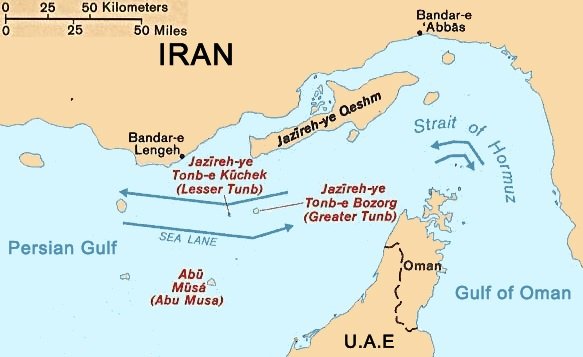
Oil prices eased this week as U.S. and Iranian officials held separate indirect talks with regional mediators aimed at fully reopening the Strait of Hormuz to commercial shipping. Energy analysts say oil flows through the strait have recovered to more than 90% of pre-conflict levels, even as the diplomatic track continues working through the remaining sticking points around security guarantees and shipping fees. The talks mark the latest step in a months-long de-escalation process following the Iran conflict that first sent oil prices spiking earlier in 2026.
What Happened
Table of Contents
The renewed round of talks follows months of on-again, off-again negotiations that have swung oil prices sharply throughout 2026. Brent crude, which spiked above $106 a barrel in late September on Hormuz-related uncertainty, has since pulled back as traders price in a growing likelihood that shipping traffic through the strait will normalize further in the coming weeks. Qatar and Oman have played recurring roles as regional intermediaries throughout the year’s negotiations, shuttling messages between Washington and Tehran as the two sides have avoided direct talks.
The conflict, which at its peak disrupted a significant share of the roughly 20 million barrels of oil that normally transit the strait each day, had pushed Brent crude above $100 a barrel for extended stretches and forced some tanker operators to reroute or delay shipments. With flows now reported above 90% of pre-war levels, the acute supply-shock phase of the crisis appears to be giving way to a more gradual, negotiation-driven stabilization.
Why It Matters
The Strait of Hormuz is the world’s most important oil chokepoint, and any credible progress toward a durable reopening has outsized effects on global energy prices, inflation expectations, and the shipping costs embedded in a wide range of consumer goods. Easing oil prices reduce one of the key inflationary pressures that had been complicating central bank policy decisions throughout 2026, including the Federal Reserve’s rate path and the European Central Bank’s own tightening cycle.
For equity markets, lower and more stable oil prices generally support corporate margins outside the energy sector, while pressuring energy stocks that had benefited from the conflict-driven price spike. The direction of the Hormuz talks has therefore become one of the more closely watched variables for both commodity traders and broader equity market participants heading into the fourth quarter.
Inside the Diplomatic Talks
The current round of discussions is indirect, with U.S. and Iranian officials communicating through regional intermediaries rather than negotiating face to face — a format that has characterized most of the diplomacy since the conflict began. Sticking points reportedly include Iran’s interest in some form of recognition over its role in strait security and questions about transit fees for vessels passing through, issues that have repeatedly slowed previous rounds of talks even as physical tanker traffic has gradually resumed.
- Talks are indirect, conducted through regional mediators rather than direct US-Iran contact
- Qatar and Oman have repeatedly served as intermediaries throughout 2026’s negotiations
- Oil flows through the strait are estimated at more than 90% of pre-conflict volumes
- Remaining disputes reportedly touch on security arrangements and potential transit fees
Previous rounds of talks earlier in 2026 produced periods of optimism that briefly sent oil prices tumbling, only for negotiations to stall and prices to partially rebound. Analysts caution that the current round should be read in that context: meaningful progress on the ground, but not yet a signed, durable settlement that would remove Hormuz risk from oil pricing altogether.
Market Reaction
Oil benchmarks eased on the latest round of talks, extending a pattern seen repeatedly throughout the year in which reports of diplomatic progress reliably pull crude prices lower, even before any formal agreement is reached. Energy stocks that had rallied on the earlier conflict-driven price spike gave back some gains as the geopolitical risk premium embedded in oil prices continued to unwind. Broader equity indices, including the S&P 500, have generally responded positively to signs of easing Middle East tensions, since lower energy costs reduce a key input cost pressure across the economy.
Currency and bond markets have also shown some sensitivity to the Hormuz headlines, given the connection between oil prices, inflation expectations, and the path of interest rates that has dominated markets since the Federal Reserve’s rate decisions earlier in September.
What Happens Next
Traders and analysts will be watching for any formal announcement on shipping security arrangements or transit terms that could unlock a fuller reopening of the strait. Until a durable agreement is reached, oil prices are likely to remain sensitive to headline risk, with each new round of talks capable of triggering short-term price swings in either direction depending on whether negotiators signal progress or setbacks.
Frequently Asked Questions
Why is the Strait of Hormuz so important to oil markets?
The Strait of Hormuz is the world’s busiest oil chokepoint, with roughly 20 million barrels a day normally passing through it from major Gulf producers. Any disruption to shipping through the strait has an outsized effect on global oil supply and prices.
Who is mediating the US-Iran talks?
The talks are indirect, with Qatar and Oman having repeatedly served as regional intermediaries between U.S. and Iranian officials throughout the negotiations in 2026.
Have oil flows fully recovered?
Not entirely. Energy analysts estimate flows through the Strait of Hormuz have recovered to more than 90% of pre-conflict levels, but a full, durable normalization depends on resolving remaining disputes over security and transit terms.
Related Articles
Helpful Resources
- U.S. Energy Information Administration — Oil market data and chokepoint analysis
- OPEC — Official production and market data