
Mortgage Rates Climb Past 7.3% to a Two-Year High
Mortgage rates climb past 7.3% this week, reaching their highest level in roughly two years, according to a September 24, 2026 report from U.S. News & World Report. The jump tracks directly with this week’s surge in Treasury yields and adds fresh pressure to an already strained US housing market.
What Happened
Table of Contents
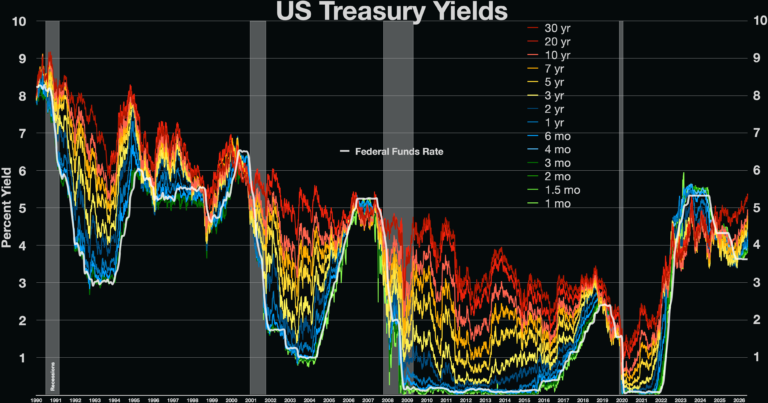
The average 30-year fixed mortgage rate pushed above 7.3%, a level not seen in about two years, as multiple outlets including U.S. News, Hoodline and Nordera Real Estate reported rates climbing nationwide through the week of September 20-24, 2026. The increase followed the 10-year Treasury yield’s jump to 5.11%, its highest level since 2007, since mortgage lenders use that yield as a key benchmark when setting long-term borrowing costs.
Nordera Real Estate specifically linked the move to Federal Reserve policy, noting that mortgage rates hit a two-year high as the central bank’s actions rattled the broader housing market.
Why It Matters
Every fraction of a percentage point on a mortgage rate translates into a meaningful difference in monthly payments and overall affordability. A move from the low-6% range to above 7.3% can add hundreds of dollars to a typical monthly payment on a median-priced home, pricing out buyers who were already stretched by several years of elevated home prices.
Higher rates also discourage existing homeowners with lower locked-in rates from selling, since moving would mean trading a cheap mortgage for a much more expensive one — a dynamic that has kept housing inventory tight in many US markets throughout the current rate cycle.
What Homebuyers Should Know
- Rate movements this week are tied directly to the bond market, not a standalone mortgage-industry event
- Locking in a rate sooner rather than later may matter if yields continue climbing
- Adjustable-rate and shorter-term loan options may be worth comparing against a 30-year fixed in this environment
- Affordability calculations should account for property taxes and insurance, which have also risen in many markets
What Happens Next
Mortgage rates are likely to keep tracking the direction of the 10-year Treasury yield in the near term. If bond yields stabilize or ease as inflation data comes in softer, mortgage rates could follow. If yields keep climbing toward levels last seen before the 2008 financial crisis, prospective buyers should expect borrowing costs to remain elevated well into the fourth quarter.
Historical Context
The last time the 30-year fixed mortgage rate sat this high, the housing market was working through a very different set of conditions. Rates spent much of the 2010s and early 2020s near historic lows, often below 4%, as the Federal Reserve kept short-term borrowing costs pinned down in the aftermath of the 2008 financial crisis and again during the pandemic. That long stretch of cheap financing pushed home prices higher and encouraged millions of homeowners to refinance into rock-bottom rates, many of them in the 2-4% range. The sharp climb back above 7% over the past several years has effectively reversed that dynamic, and the move past 7.3% this week extends a cycle that has already reshaped how Americans buy and finance homes.
What makes the current run notable is the pace of the increase relative to the yield on the 10-year Treasury. Mortgage lenders typically price 30-year fixed loans at a spread above that benchmark to account for prepayment risk and the cost of servicing long-dated loans. When the 10-year yield jumps as quickly as it has this week, reaching its highest point since 2007, mortgage rates tend to follow within days rather than months. That tight relationship is why housing economists watch Treasury auctions and inflation reports almost as closely as they watch data from mortgage lenders themselves.
Impact on Refinancing and the Broader Market
For homeowners who already locked in a mortgage at 3% or 4% during the low-rate years, refinancing at today’s rates makes little financial sense. That has cut deeply into refinancing volume across the mortgage industry, since a rate-and-term refinance only benefits a borrower when the new rate is meaningfully lower than the existing one. Instead, homeowners looking to tap equity have increasingly turned to home equity lines of credit and second mortgages, which let them borrow against their home’s value without disturbing a low first-mortgage rate.
The ripple effects extend beyond individual borrowers. Homebuilders face higher costs when buyers need larger loans relative to income, which can slow new construction in markets already grappling with permitting and labor constraints. Real estate agents report longer selling timelines as buyer pools shrink at each rate increase, and mortgage lenders themselves have trimmed staff in recent years as origination volume has fallen from the highs of the ultra-low-rate period. If the current trajectory in Treasury yields continues, these pressures are likely to compound rather than ease, keeping both home sales and refinancing activity well below the levels seen earlier in the decade.
For prospective buyers still trying to enter the market, the math has become considerably less forgiving. A buyer who could afford a given monthly payment at 4% qualifies for a meaningfully smaller loan at 7.3%, which either pushes them toward less expensive homes, requires a larger down payment, or forces them to wait on the sidelines altogether. First-time buyers, who typically have less accumulated equity to draw on than repeat buyers trading up from an existing home, tend to feel this squeeze most acutely, and elevated rates have been a recurring factor in weak first-time buyer participation throughout the current cycle.
Frequently Asked Questions
Why are mortgage rates climbing past 7.3% right now?
Mortgage rates are closely tied to the 10-year Treasury yield, which jumped to its highest level since 2007 this week amid rising inflation expectations. As that benchmark yield rose, lenders passed the higher borrowing costs on to mortgage rates.
How does this compare with rates two years ago?
Multiple outlets, including Nordera Real Estate, described the current level as a two-year high, meaning today’s borrowing costs are the steepest US homebuyers have faced since roughly 2024.
Should homebuyers wait for rates to fall?
That depends on individual circumstances and how long a buyer can wait. Since mortgage rates are currently tracking a volatile bond market, there is no guarantee rates will fall in the near term, and they could climb further if inflation data disappoints.
Related Articles
- Fed Interest Rate Hike 2026: Powerful Impact on Markets and Investors
- Fed Interest Rate Decision Explained: Key Insights for Markets and Investors




One Comment