Gold Slips From Highs as Rate-Hike Bets Reshape the Safe-Haven Trade
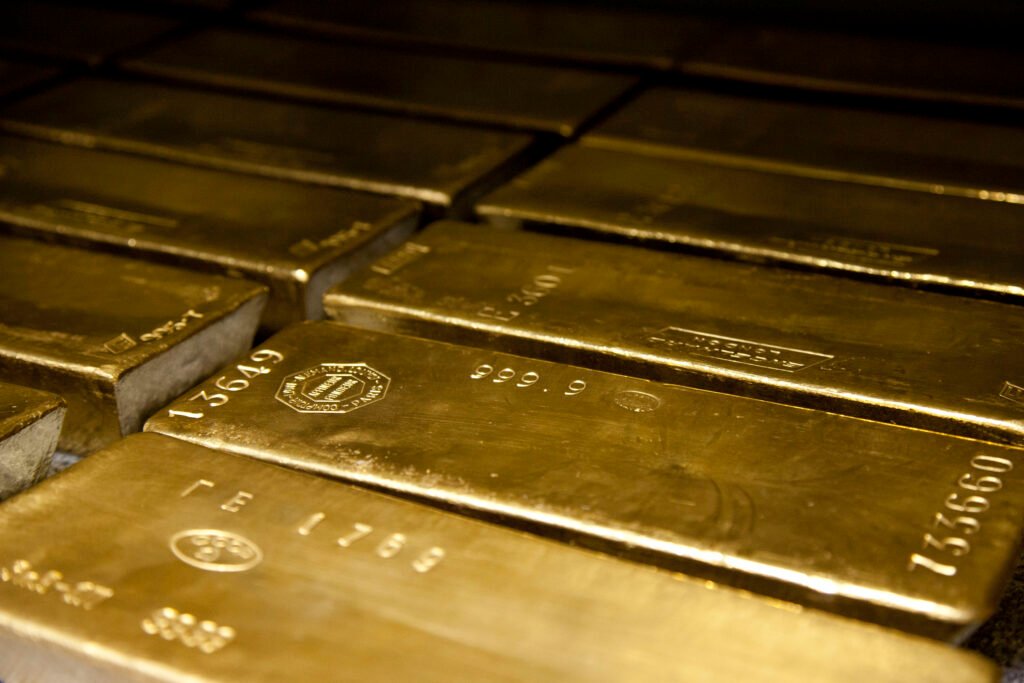
Gold slips as rate-hike bets grow, with the metal falling 0.47% to $4,298.10 an ounce on September 24, 2026. The pullback is notable because it came on a day when nearly every other risk asset was also under pressure, highlighting how unusual this stretch of markets has become.
What Happened
Table of Contents
Gold fell 0.47% to $4,298.10 an ounce, according to Yahoo Finance’s market summary for the session, even as the 10-year Treasury yield jumped to 5.11%, its highest level since 2007. Under normal conditions, gold and Treasury yields often move in opposite directions, since gold pays no interest and becomes relatively less attractive when bonds offer higher yields.
That is largely what played out this session: as real yields rose, some investors rotated away from gold and into interest-bearing Treasuries, which now offer a historically high yield alongside government backing.
Why It Matters
Gold’s pullback illustrates a genuine tension in current markets. Inflation fears would normally support gold as a store of value, but the same inflation fears are pushing bond yields to multi-decade highs, and higher yields compete directly with gold for investor capital. Whichever force wins out in the coming weeks will say a lot about whether markets believe the Federal Reserve can bring inflation under control without further aggressive rate hikes.
For investors who use gold as a portfolio hedge, this session is a reminder that the metal does not move in a single predictable direction during periods of market stress — its performance depends heavily on the specific mix of inflation expectations, real yields, and the US dollar at any given moment.
What Investors Are Watching
- Whether Treasury yields continue climbing or begin to stabilize
- Upcoming inflation data that could shift expectations for Fed policy
- Dollar strength, which typically moves inversely to gold prices
- Central bank gold purchases, which have been a significant source of demand this year
What Happens Next
Gold’s near-term direction is likely to stay closely tied to the bond market. If Treasury yields keep rising on expectations of further Fed rate hikes, gold could face continued pressure as an interest-free asset competing with increasingly attractive government debt. If inflation data instead validates investor fears about persistent price pressure without a corresponding yield move, gold’s traditional role as an inflation hedge could reassert itself.
Gold’s Run in 2026
At $4,298.10 an ounce, gold remains far above the levels that were considered normal for most of the past two decades, even after Thursday’s pullback. Central bank buying has been a significant source of demand this year, part of a broader, multi-year trend of reserve managers around the world adding gold to diversify away from a reliance on any single currency. Gold has also served as a store of value for centuries specifically because it carries no counterparty risk — unlike a bond or a bank deposit, its worth does not depend on a government or institution making good on a promise to pay.
That long-term demand backdrop is part of why a single day’s decline, even one driven by a sharp move in Treasury yields, does not necessarily signal a change in gold’s broader trajectory. Daily price swings in gold are typically driven by shorter-term factors — real yields, the dollar, and shifting rate expectations — while the multi-year trend has been shaped more by structural demand from central banks and investors seeking protection against currency debasement and geopolitical risk.
What It Means for Different Investors
How this session’s move matters depends heavily on why an investor holds gold in the first place. For someone holding physical bullion or gold-backed exchange-traded funds as a long-term inflation hedge, a single-day decline of less than half a percent is unlikely to change the investment case, particularly if the underlying concern is a multi-year erosion of purchasing power rather than a short-term trade. For a more tactical trader positioned around expectations for Fed policy, the same move is a meaningful signal that the market is currently favoring bonds over gold as the preferred way to express a view on inflation.
Gold mining companies represent a third angle on the same story. Their share prices tend to be more volatile than the metal itself, since mining stocks carry operational and financing leverage on top of the underlying commodity price — a modest move in gold can translate into a larger move in mining equities. That leverage cuts both ways: gold miners can outperform bullion when prices rise but also underperform it during pullbacks like Thursday’s.
Ultimately, the tug-of-war between rising real yields and persistent inflation concerns described above is likely to keep gold more volatile than usual in the near term. Investors holding it as a hedge will need to look past individual sessions and focus on whether the broader forces supporting gold this year — central bank demand, currency concerns and inflation uncertainty — remain intact.
The dollar’s role in this equation is also worth watching closely. Because gold is priced in US dollars globally, a stronger dollar tends to make gold more expensive for buyers using other currencies, which can weigh on demand and prices, while a weaker dollar tends to have the opposite effect. Rising Treasury yields often support the dollar by attracting foreign capital into US assets, which is one more channel, alongside the direct competition between gold and interest-bearing bonds, through which this week’s surge in yields can pressure gold prices.
Frequently Asked Questions
Why does gold fall when bond yields rise?
Gold pays no interest or dividend, so its appeal is partly a function of how much return investors can get elsewhere. When Treasury yields rise, government bonds become more competitive as a safe place to park money, which can pull some capital away from gold.
Is gold still considered a safe-haven asset?
Yes, gold remains a widely used hedge against inflation and geopolitical uncertainty. However, as this session shows, it can still decline in the short term when rising bond yields make interest-bearing assets more attractive on a relative basis.
What would make gold rise again?
A weaker dollar, falling real yields, escalating geopolitical risk, or clear signs that inflation is outpacing the Federal Reserve’s response would each tend to support higher gold prices.
Related Articles
- Silver Price Surge: Key Insights for Investors
- Fed Interest Rate Hike 2026: Powerful Impact on Markets and Investors