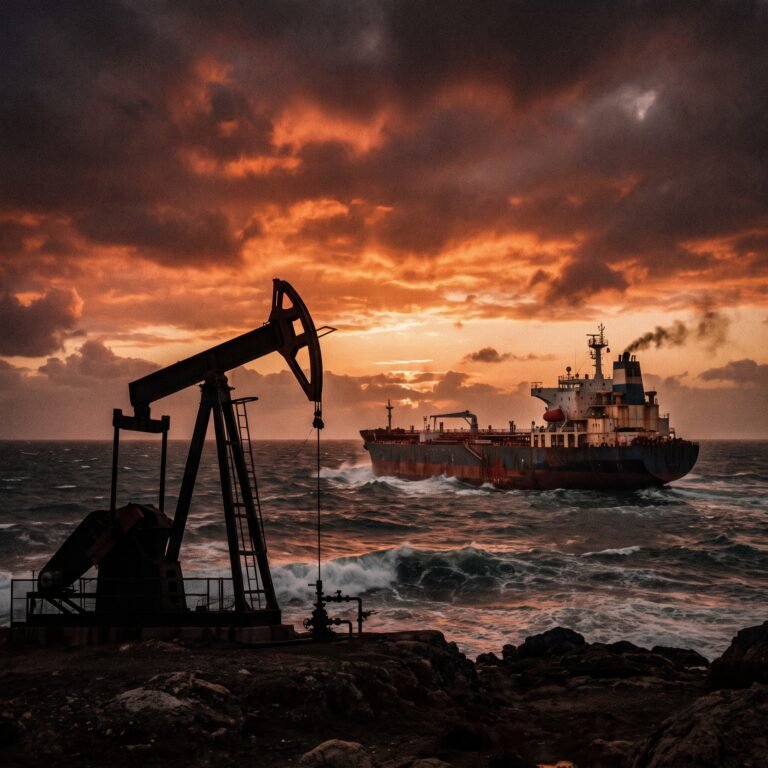
Oil Prices Jump Toward $95 as Iran Vows Not to Back Down
Oil prices jump as Iran vows not to back down, with crude climbing 2.63% to $94.58 a barrel on September 24, 2026. The move adds another variable to a week already dominated by surging Treasury yields and a major US-China diplomatic visit.
What Happened
Table of Contents
Crude oil rose 2.63% to $94.58 a barrel, according to Yahoo Finance’s market data for the session, snapping a run of recent declines. The rebound followed statements from Iranian officials signaling they would not yield in ongoing tension with the United States, according to CNBC’s coverage of the diplomatic standoff, which has kept energy markets on edge for months.
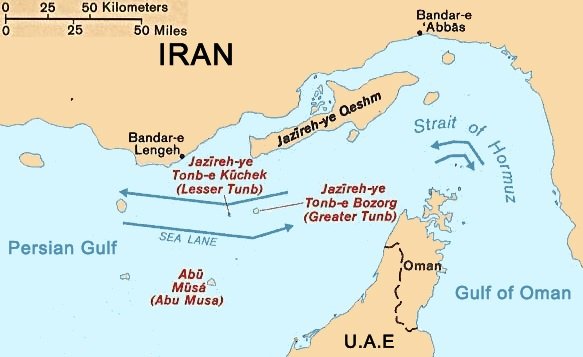
The rebound comes after oil had pulled back from earlier highs touched during the acute phase of the broader Iran conflict earlier this year, when prices briefly spiked well above $100 a barrel on fears of disruptions to shipping through the Strait of Hormuz, one of the world’s most important oil transit chokepoints.
Why It Matters
Oil is one of the most direct channels through which geopolitical risk feeds into everyday inflation. Higher crude prices raise the cost of gasoline, diesel, jet fuel and the transportation component embedded in nearly every consumer good. That makes this rebound particularly unwelcome for policymakers already grappling with a bond market that is pricing in persistently high inflation, reflected in the 10-year Treasury yield’s climb to its highest level since 2007 this same week.
Energy-sensitive sectors, including airlines, shipping and manufacturing, tend to see margin pressure almost immediately when crude moves this sharply in a single session, while energy producers can see the opposite effect on their earnings outlook.
What the Market Is Watching
- Whether diplomatic talks between the US and Iran de-escalate or harden further
- Shipping activity and insurance costs around the Strait of Hormuz
- Whether OPEC+ producers adjust output in response to price swings
- How rising energy costs interact with the Federal Reserve’s inflation outlook
What Happens Next
Analysts are watching for further statements from Iranian officials and any signs of a diplomatic off-ramp that could ease pressure on prices. Absent a de-escalation, oil traders are likely to keep a geopolitical risk premium priced into crude, meaning prices could remain volatile and headline-driven in the weeks ahead rather than settling into a stable range.
Background on the Standoff
The Strait of Hormuz sits at the mouth of the Persian Gulf and remains one of the most important chokepoints in global energy trade, since a large share of the world’s seaborne crude and liquefied natural gas passes through it on its way from Gulf producers to markets in Asia, Europe and beyond. That geography is precisely why any escalation involving Iran tends to move oil markets faster and further than tensions almost anywhere else in the world — traders are not just pricing in a single country’s production, but the risk that a much larger volume of global supply could be delayed or rerouted.
This week’s rebound follows a pattern that has repeated throughout the broader Iran conflict this year: periods of relative calm in which oil drifts lower, punctuated by statements or incidents that push traders back toward pricing in disruption risk. The earlier spike above $100 a barrel during the acute phase of the conflict showed how quickly that risk premium can build when tensions peak, and Thursday’s move suggests the market is treating Iran’s latest statements as a meaningful step back toward that kind of environment rather than routine rhetoric.
What It Means for Consumers and Businesses
For households, the most visible effect of a jump like this shows up at the gas pump within days, since retail gasoline prices track crude oil costs closely, with a lag for refining and distribution. Airlines and shipping companies, which hold some of the largest exposure to fuel costs of any industry, typically see their cost projections shift immediately when crude moves this much in a single session, and some carriers hedge fuel costs in advance specifically to manage this kind of volatility.
The timing compounds an already difficult inflation picture. With the bond market simultaneously pricing in persistently elevated inflation — reflected in the 10-year Treasury yield’s climb to its highest level since 2007 this same week — a renewed rise in energy costs adds another input working against any near-term cooling in consumer prices. Policymakers at the Federal Reserve watch energy prices closely precisely because they flow so quickly into headline inflation figures, even when the central bank’s preferred measures try to look past short-term commodity swings.
On the other side of the ledger, US and international energy producers stand to benefit from higher prices for the crude they pump, which can support both their earnings and, in the case of major producing nations, government revenue. That dynamic is part of why OPEC+, the coalition of oil-exporting countries that coordinates production levels, factors so heavily into how markets read any given price move: a rebound driven by geopolitical fear can prompt a very different production response than one driven by rising demand.
Frequently Asked Questions
Why did oil prices jump as Iran vows not to back down?
Iranian officials signaled they would not concede ground in their standoff with the United States, reviving concerns about potential disruptions to oil shipments through the Strait of Hormuz, a critical global transit route. Traders responded by pushing crude up 2.63% to $94.58 a barrel.
How does higher oil affect inflation?
Oil feeds directly into gasoline, diesel, and jet fuel prices, and indirectly into the cost of transporting nearly all goods. A sustained rise in crude prices tends to push headline inflation higher, complicating the picture for central banks trying to bring inflation down.
Is the Strait of Hormuz still at risk?
Tensions around the strait have eased and flared repeatedly throughout the year’s broader Iran conflict. As of this week, no shipping disruption has been confirmed, but traders continue to price in the risk given Iran’s public stance.
Related Articles
- Oil Prices Surge Amid Iran Conflict: Powerful Driver of Global Inflation in 2026
- Eurozone Economy Holds Up Despite Rate Hikes: Powerful Outlook for 2026 Growth