
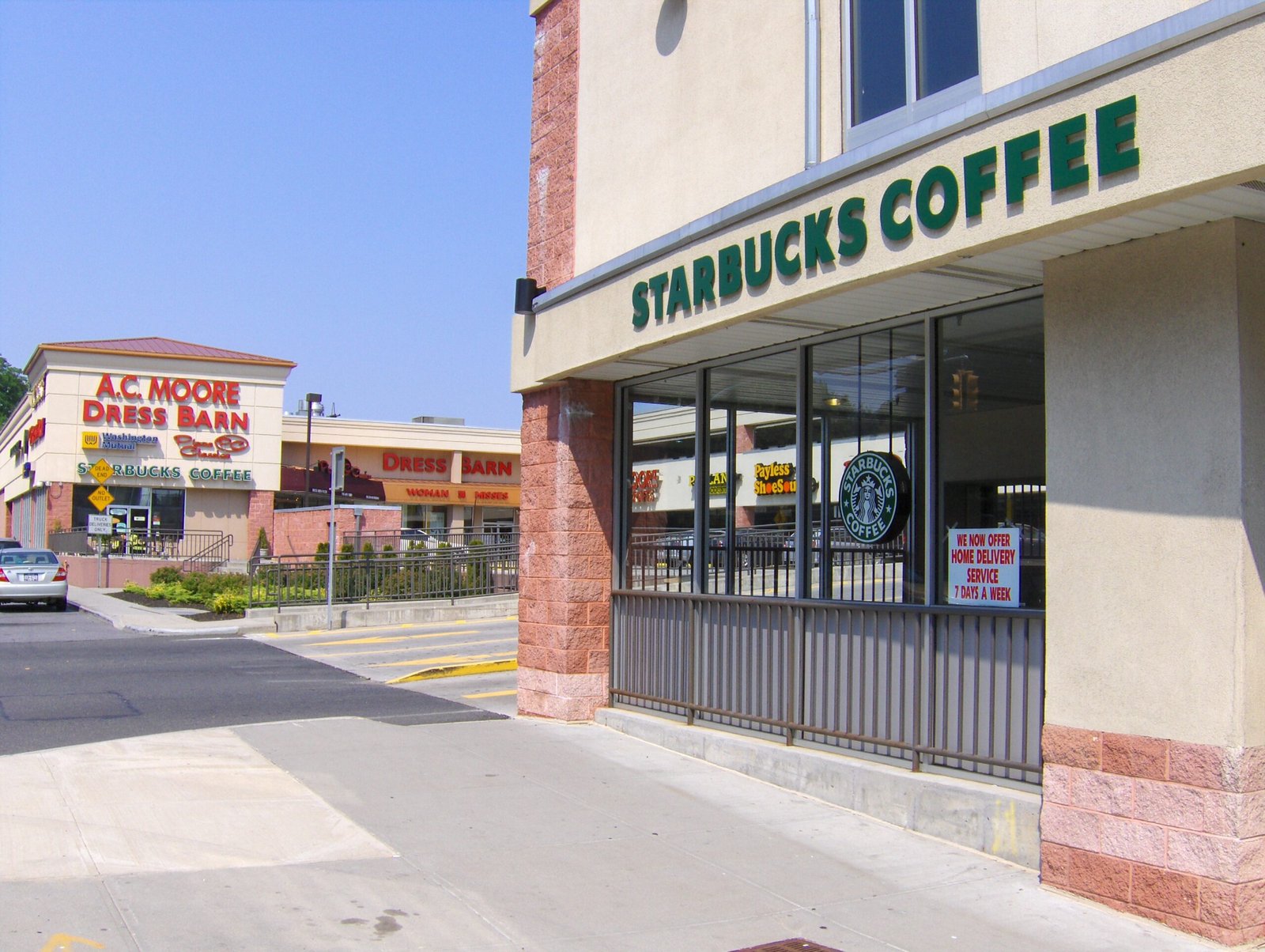
Starbucks to Close About 250 Underperforming North American Stores
Starbucks announced it will close approximately 250 underperforming North American locations, according to TheStreet’s market coverage on September 24, 2026, as the coffee giant continues to reassess its store footprint amid a challenging consumer spending environment.
What Happened
Table of Contents
Starbucks confirmed plans to close about 250 stores across North America that the company has identified as underperforming. The announcement came the same session that broader markets were under pressure from surging Treasury yields, adding another data point to a week already marked by signs of caution across parts of the consumer and retail sector.
Store closures of this scale typically reflect a combination of factors, including underperforming lease locations, shifts in foot traffic patterns, and an ongoing effort by large retail and restaurant chains to concentrate resources on their strongest-performing locations rather than maintaining a maximum store count.
Why It Matters
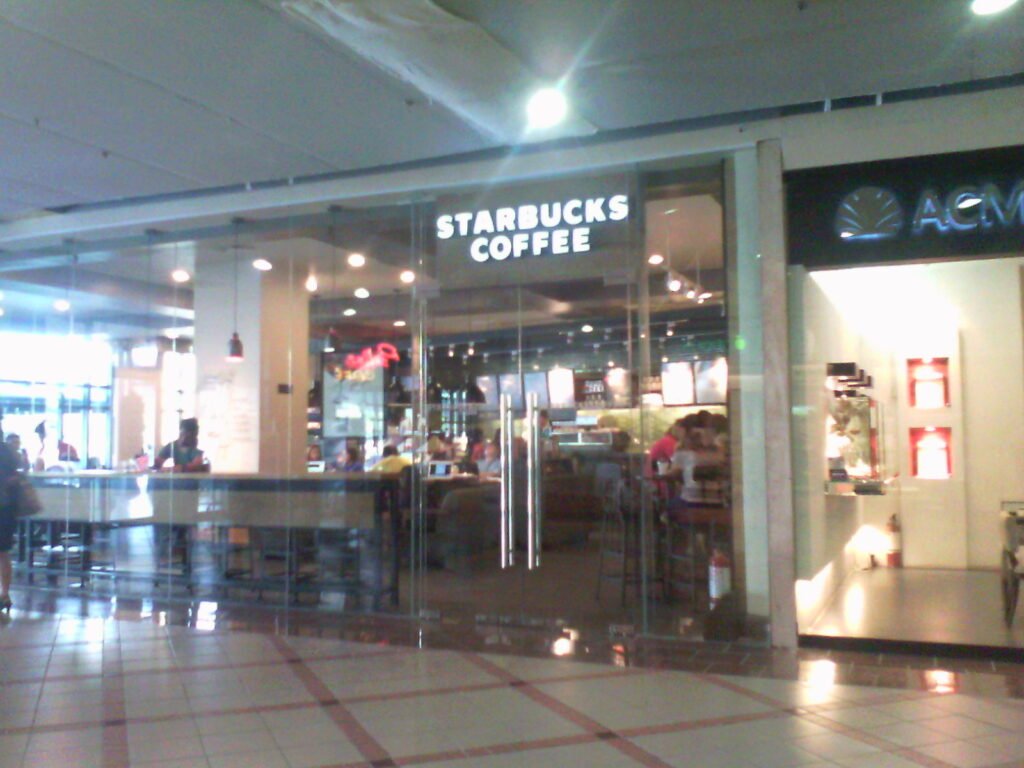
Starbucks is one of the most closely watched bellwethers for US consumer spending, given its scale and presence across nearly every type of community. A decision to close roughly 250 locations suggests the company is prioritizing profitability per store over raw store count, a strategy that often follows a period of softer same-store sales growth or rising operating costs.
The move also comes as many consumers face tighter household budgets amid elevated borrowing costs, including this week’s jump in mortgage rates past 7.3% and a broader rise in interest rates across the economy — conditions that tend to pressure discretionary spending on categories like coffee shop visits.
What Investors Are Watching
- Starbucks’ upcoming same-store sales figures for North America
- Whether other major restaurant and retail chains announce similar footprint reductions
- Employee and lease-related costs associated with the closures
- Broader signals on US consumer spending health heading into the holiday season
What Happens Next
Starbucks will need to manage the operational and workforce transition associated with closing roughly 250 stores, including relocating or offering alternative positions to affected employees where possible. Analysts will be watching the company’s next earnings report for details on how the closures affect overall revenue and margins, as well as any further guidance on the size of its North American store footprint going forward.
Background
Starbucks operates one of the largest retail footprints of any restaurant chain in North America, with thousands of company-owned and licensed locations spanning standalone cafes, mall kiosks, drive-through-only stores, and locations embedded inside grocery stores, airports, and other retail partners. That scale has historically been central to the company’s growth strategy, with rapid store expansion serving as one of the primary ways Starbucks increased revenue over the past two decades. In more recent years, the company has periodically shifted toward a “fewer, better” approach to its footprint, trimming locations that underperform financially or that overlap too closely with nearby stores, rather than pursuing growth primarily through new store openings.
Store closures at large chains are rarely driven by a single cause. Leases signed years earlier can become unprofitable as local rents, labor costs, or foot traffic patterns change, and a location that made sense when it opened can become a drag on margins even if the broader brand remains healthy. Coffee shops in particular are sensitive to changes in commuting and office-attendance patterns, since a meaningful share of their traffic historically came from workers stopping in on their way to or from an office, a pattern that shifted materially across the industry in recent years as remote and hybrid work arrangements became more common in many markets.
What It Means for the Industry
Because Starbucks is so widely used as a proxy for discretionary consumer spending, a footprint reduction of this size is likely to be read by analysts and competitors alike as a signal about the broader health of the coffee and quick-service restaurant sector, not just about Starbucks’ own store-level economics. Rising borrowing costs tend to squeeze household budgets in ways that show up first in smaller, frequent discretionary purchases like a daily coffee run, before they show up in larger spending categories, which is part of why investors often treat coffee chain performance as an early indicator of shifting consumer sentiment.
Other chains in the sector are likely to face similar pressure to evaluate their own store footprints, particularly locations that were opened during periods of stronger consumer spending and higher office foot traffic. A closure announcement of this size from a company as large as Starbucks can also affect commercial real estate markets in the areas where stores close, since a vacated coffee shop location, especially one with a drive-through, is often sought after by other retail and restaurant tenants, meaning the broader effect on local retail corridors may be more limited than the headline store count suggests. For competitors, Starbucks pulling back from underperforming locations could also open opportunities to capture customers in those markets, particularly regional and independent coffee chains that have been expanding in areas where larger chains are consolidating.
The timing, alongside a broader session of market pressure tied to surging Treasury yields, also underscores how closely tied consumer-facing retail decisions have become to macroeconomic conditions well outside any individual company’s control. A period of persistently higher interest rates raises the cost of capital for retailers financing store buildouts and renovations, while simultaneously reducing the disposable income of the customers those stores depend on, a combination that can push chains toward exactly the kind of footprint discipline Starbucks appears to be pursuing here.
Frequently Asked Questions
How many Starbucks stores are closing?
Starbucks announced plans to close approximately 250 underperforming locations across North America, according to reporting on September 24, 2026.
Why is Starbucks closing these stores?
The company identified these locations as underperforming, a decision consistent with a broader strategy of concentrating resources on stronger-performing stores rather than maintaining maximum store count, particularly amid a more cautious consumer spending environment.
Will affected employees lose their jobs?
Details on employee transitions have not been fully disclosed. Large retail chains undergoing store closures often attempt to relocate employees to nearby locations where possible, though outcomes vary by market and role.
Related Articles
- Danone Stock Plunge Explained: Market Reaction and Key Factors
- Amazon Job Cuts Analysis Reveals Market Impact






One Comment