
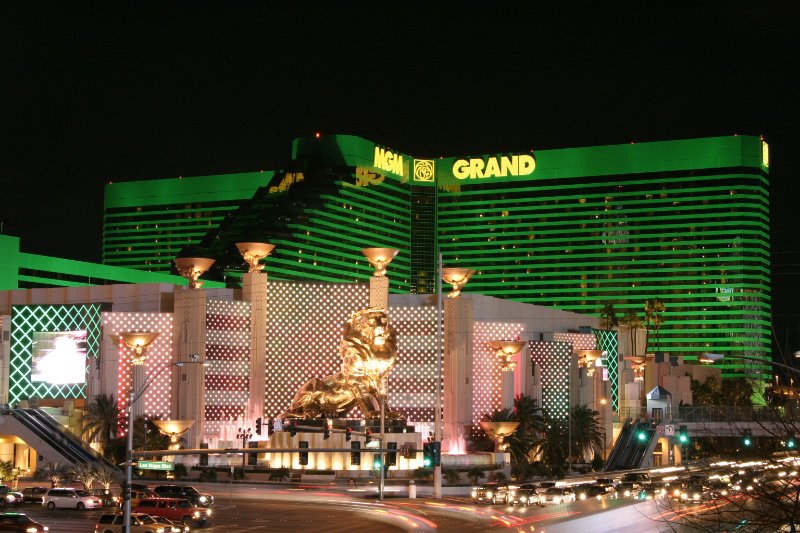
MGM Resorts Stock Sinks as Barry Diller Walks Away From $18 Billion Buyout
MGM Resorts stock sinks as Barry Diller’s People Inc. withdrew its $18 billion buyout proposal, sending shares tumbling 9.98% on September 24, 2026, according to TheStreet’s market coverage for the session.
What Happened
Table of Contents
MGM Resorts International shares fell nearly 10% after Barry Diller’s People Inc. pulled its previously proposed $18 billion acquisition offer for the casino and entertainment company. The withdrawal removed a premium that investors had been pricing into the stock in anticipation of a completed deal, triggering one of the steepest single-day declines on Wall Street that session.
The decline came during a broader session in which the S&P 500 fell 0.51% and the Nasdaq dropped 0.78% amid a sharp rise in Treasury yields, meaning MGM’s company-specific news compounded losses that were already affecting the wider market.
Why It Matters
When an acquisition proposal is withdrawn, the target company’s stock typically loses the “deal premium” that had been supporting its price, since the market must now value the shares on standalone fundamentals rather than a buyout price. A near-10% single-day drop reflects just how much of MGM’s recent valuation had been tied to expectations that the deal would close.
The episode also serves as a reminder for investors that large, headline M&A proposals carry real execution risk. Financing conditions, valuation disagreements, or a change in strategic priorities on the acquirer’s side can all derail a deal even after it has been publicly proposed and reported.
What Investors Are Watching
- Whether MGM management comments on the withdrawn proposal or outlines an alternative strategy
- Any signs of renewed interest from other potential acquirers
- MGM’s underlying operating performance in gaming and hospitality, absent the deal premium
- Broader market conditions, since elevated Treasury yields make large leveraged buyouts more expensive to finance
What Happens Next
With the buyout proposal off the table, MGM’s stock will likely trade on its own operating results and the broader outlook for consumer spending on travel, entertainment and gaming. Investors will be watching for any official statement from MGM’s board on next steps, as well as whether rising borrowing costs discourage other potential suitors from stepping in.
Background on MGM Resorts and the Buyout Attempt
MGM Resorts International operates some of the best-known casino and hospitality brands on the Las Vegas Strip and beyond, including the MGM Grand, Bellagio and Aria, along with a growing portfolio of regional casinos and a stake in BetMGM, its sports betting and online gaming joint venture. The company’s revenue is closely tied to consumer discretionary spending on travel, gaming and entertainment, which makes its stock sensitive both to the broader economic outlook and to company-specific developments like a takeover proposal.
An $18 billion buyout would have ranked among the largest transactions in the gaming and hospitality sector in recent years. Deals of that size typically require the acquirer to line up substantial debt financing, secure regulatory approval across the multiple states and jurisdictions where MGM holds gaming licenses, and negotiate a price that satisfies MGM’s board and shareholders. Any one of those steps can stall or collapse a proposed transaction, and gaming-industry acquisitions in particular face added scrutiny from state gaming commissions that vet an acquirer’s suitability to hold a casino license.
How M&A Withdrawals Typically Affect Stock Prices
Stock prices generally rise toward a proposed acquisition price once a deal is announced, a pattern known as the deal spread narrowing, as investors anticipate that the acquirer will eventually pay a premium to take the company private or absorb it into a larger enterprise. When that expectation is priced into a stock over weeks or months, as appears to have happened with MGM ahead of the People Inc. proposal, a sudden withdrawal forces an abrupt repricing back toward the company’s standalone value. That is a large part of why the near-10% drop registered as one of the steeper single-day declines of the session — the market was not just reacting to new negative information about MGM’s business, but unwinding a premium built on the assumption the deal would close.
This pattern is common across M&A history: target companies that see a deal fall through often underperform in the days and weeks that follow, even when their underlying business has not changed, simply because the market resets its valuation model. Some of that gap can close over time if the company’s fundamentals hold up or if a new suitor emerges, but in the near term the stock is typically judged on trailing earnings, growth prospects and comparable company valuations rather than any acquisition narrative. For MGM specifically, that means investors will likely refocus on metrics like Las Vegas visitation trends, regional casino performance, and BetMGM’s growth trajectory rather than deal speculation, at least until any new bidder surfaces.
The timing also matters. This deal withdrawal landed on a day when Treasury yields were climbing sharply, which raises the cost of debt financing for any large leveraged transaction. Higher borrowing costs can make an $18 billion deal less attractive to an acquirer that planned to fund a significant portion of the purchase price with debt, since the interest expense on that debt directly affects the returns the acquirer expects from the transaction. While the specific reasons behind People Inc.’s decision to withdraw were not detailed in the available reporting, the broader shift in financing conditions this year has made large buyouts across many industries more difficult to structure profitably than they were when rates were lower.
Frequently Asked Questions
Why did MGM Resorts stock sink on September 24, 2026?
Barry Diller’s People Inc. withdrew its previously proposed $18 billion buyout offer for MGM Resorts, removing the acquisition premium that had been supporting the stock’s price and triggering a nearly 10% single-day decline.
Who is Barry Diller and what is People Inc.?
Barry Diller is a longtime media and entertainment executive, and People Inc. is the entity that had proposed the $18 billion acquisition of MGM Resorts before withdrawing the offer.
Could another buyer step in for MGM Resorts?
It’s possible, but no alternative offer has been reported as of this writing. Rising borrowing costs tied to higher Treasury yields could make a large leveraged acquisition more expensive for any potential new bidder.
Related Articles
- Capital One Brex Acquisition Strategy for Financial Growth
- Danone Stock Plunge Explained: Market Reaction and Key Factors






One Comment