Fed Interest Rate Hike 2026: Powerful Impact on Markets and Investors
Fed Raises Interest Rates to 4%: What the September 2026 Hike Means for Investors
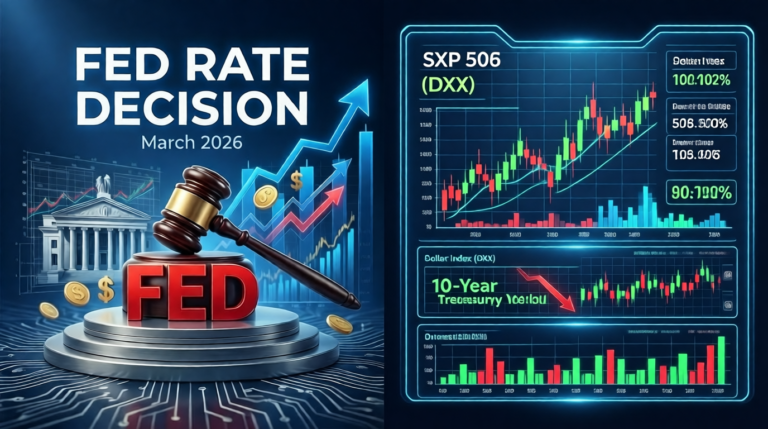
The Fed interest rate hike 2026 arrived on September 16, when the central bank raised its benchmark rate by 25 basis points to a target range of 3.75%-4%. It was the Fed’s first rate increase since 2023, reversing course after a year of rate cuts as inflation pressure, worsened by the ongoing Iran conflict and rebounding oil prices, forced policymakers back into tightening mode.
In this article, we break down what drove the decision, how markets reacted, and what it could mean for borrowers and investors heading into the final months of the year.
Table of Contents
Why the Fed Interest Rate Hike 2026 Happened
The Federal Open Market Committee voted unanimously, 12-0, to lift the overnight funds rate. Fed Chairman Kevin Warsh said policymakers were not satisfied with the current pace of inflation, which has been aggravated by an energy-driven price shock. The move followed weeks of signaling at the Fed’s Jackson Hole symposium in late August, where Warsh flagged that underlying inflation was not slowing as hoped.
Updated projections released alongside the decision point to the possibility of one more rate increase before the end of the year, though officials were divided on the outlook for 2027.
How Markets Responded
The S&P 500 initially climbed following the announcement, a sign that Wall Street had largely priced in the hike. Treasury yields, however, continued their multi-year climb, with the 10-year note pushing toward its highest levels since 2007. Traders quickly began pricing in a roughly 50% chance of a second quarter-point hike at the Fed’s October meeting, according to CME FedWatch data.
- Borrowing costs: Mortgage, auto, and credit card rates are likely to inch higher as the benchmark rate rises.
- Bond yields: Higher yields have pressured rate-sensitive sectors, including housing and construction stocks.
- Equity sectors: Energy and select healthcare names have outperformed, while travel, entertainment, and homebuilder stocks have lagged.
What This Means for Your Portfolio
A higher-for-longer rate environment rewards patience over speculation. Diversifying across equities, short-duration bonds, and inflation-resistant assets can help cushion against further volatility. Investors with variable-rate debt should also review refinancing options before additional hikes take hold.
Related Articles
- Fed Interest Rate Decision Explained: Key Insights for Markets and Investors
- Stock Market Update Today: Key Market Movers and Trends
Helpful Resources
- Federal Reserve – Monetary Policy — https://www.federalreserve.gov/monetarypolicy.htm
- Trading Economics – US Interest Rate — https://tradingeconomics.com/united-states/interest-rate
Conclusion
The Fed interest rate hike 2026 marks a turning point after three years without an increase, and it signals the Fed is prioritizing inflation control even at the risk of slower growth. With one more hike still on the table for this year, investors and borrowers alike should prepare for a tighter-for-longer rate environment.