
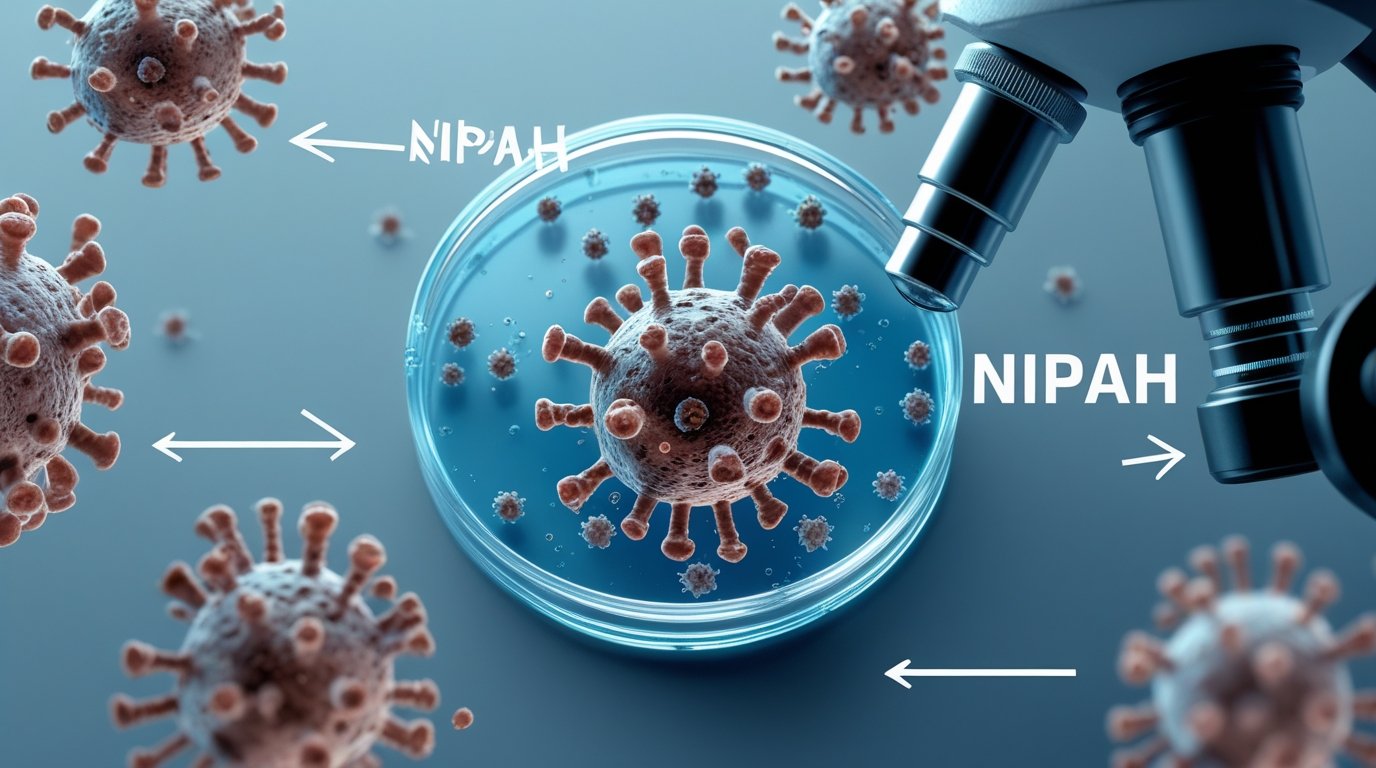
Nipah Virus Explained Essential Guide for Public Awareness
The Nipah virus has once again drawn global attention as health officials and the public work to understand what it is, how it spreads, and why it remains a concern for communities in parts of Asia and beyond. In this article, we break down essential information about the Nipah virus from its origins and transmission to symptoms, risks, and what you should know to stay informed and safe.
What Is the Nipah Virus?
The Nipah virus (NiV) is a zoonotic pathogen a type of virus that can be transmitted from animals to humans. It belongs to the Henipavirus genus and is closely related to viruses like Hendra virus. Nipah can affect both humans and animals, sometimes leading to severe illness.
Fruit bats of the family Pteropodidae (often called flying foxes) are the natural hosts of the virus. While they carry it without becoming sick themselves, the virus can pass to other animals and then to humans through direct contact or contaminated food.
How Does the Nipah Virus Spread?
Transmission of the Nipah virus occurs in several ways:
- Animal to human — Humans can become infected after contact with infected animals or their bodily fluids. Fruit bats and pigs are common sources.
- Contaminated food — Foods such as raw date palm sap or fruit contaminated by bat urine or saliva can transmit the virus.
- Human to human — Close contact with bodily fluids or respiratory droplets from an infected person can also spread the virus, especially in caregiving or healthcare settings.
This combination of transmission routes is why public health authorities stress both environmental and personal hygiene aspects in outbreak responses.
Where Has the Nipah Virus Appeared?
Although the Nipah virus is relatively rare compared with some other pathogens, outbreaks have been documented primarily in South and Southeast Asia, including countries such as Bangladesh, India, Malaysia, and Singapore.
These regions have seen seasonal outbreaks linked to specific human activities and environmental conditions. For example, in Bangladesh, outbreaks have been tied to the harvesting and consumption of raw date palm sap a cultural practice that inadvertently exposes people to bat secretions.
Symptoms of the Nipah Virus
Symptoms of a Nipah virus infection can vary widely, making early detection challenging. After exposure, symptoms generally appear within 4 to 14 days, but longer incubation periods have been recorded.
Common early symptoms include:
- Fever
- Headache
- Muscle pain
- Respiratory difficulties like cough or shortness of breath
As the disease advances, more severe symptoms may appear:
- Vomiting or gastrointestinal distress
- Disorientation, confusion, altered consciousness
- Seizures or neurological complications
- Encephalitis (brain inflammation)
- Coma in severe cases
Because symptoms range from mild to severe, health professionals emphasize vigilance in areas where Nipah cases have occurred.
Why the Nipah Virus Is a Public Health Concern
The Nipah virus is considered a significant public health risk for several reasons:
High Fatality Rate
The case fatality rate for Nipah virus infections is estimated to range from 40% to 75%, varying with the outbreak and local healthcare resources. This means a high proportion of identified cases result in death, particularly when supportive care is limited.
No Approved Vaccine or Specific Treatment
Currently, there are no licensed vaccines or targeted antiviral treatments for Nipah virus infection. Treatment is primarily supportive, focusing on relieving symptoms and complications.
Person‑to‑Person Transmission
Unlike some zoonotic viruses that only transmit from animals to humans, Nipah virus can spread from person to person through close contact, making it more challenging to contain during outbreaks without rigorous infection control practices.
WHO Priority Pathogen
Due to its severity, potential for transmission, and absence of effective treatments, the World Health Organization has designated Nipah virus as a priority disease under its R&D Blueprint.This designation highlights the urgent need for accelerated research into effective diagnostics, treatments, and vaccines.
Prevention: What You Can Do
With no vaccine or specific medication, preventing Nipah virus infection relies on awareness and simple precautionary measures:
- Avoid direct contact with bats and sick animals. Fruit bats are the natural reservoir, so limiting exposure in regions where the virus is known to occur is key.
- Wash and prepare food safely. Avoid consuming raw date palm sap or fruit that bats may have contaminated. Wash and peel produce thoroughly.
- Practice good hygiene. Frequent handwashing with soap and water can help reduce transmission, especially if you’re caring for someone who might be infected.
- Use protective gear. If you work with animals, especially sick animals, wear gloves and protective clothing.
Public health authorities often advise avoiding areas where bats roost and taking extra precautions during outbreaks.
Recent Developments in 2026
In January 2026, health officials in India’s West Bengal reported multiple confirmed cases of Nipah virus infection, including in healthcare workers leading to heightened public health surveillance and containment efforts. Several Asian countries reinstated health screenings at airports for travelers from affected areas as a preventive step.
At the same time, authorities in nearby regions confirmed no Nipah cases had been detected locally though officials acknowledged the possibility of imported infections and the need for vigilance.
These developments reflect both the seriousness with which the Nipah virus is being monitored and the international response to emerging infectious disease threats.
Helpful Resources
- https://www.who.int/health-topics/nipah-virus — World Health Organization
- https://www.cdc.gov/nipah-virus/about/index.html — U.S. CDC on Nipah virus
- https://www.who.int/emergencies/disease-outbreak-news — WHO outbreak news
Conclusion
The Nipah virus remains a critical concern in global health due to its high fatality rate, potential for human‑to‑human transmission, and absence of vaccines or specific treatments. Understanding its transmission routes, symptoms, and prevention strategies is vital especially for people in regions where the virus has occurred historically. Continued research, surveillance, and public health preparedness are essential to reducing the impact of future outbreaks.
By staying informed and following evidence‑based prevention measures, individuals and communities can better protect themselves against this complex and challenging pathogen.
What to Read Next


One Comment