

RSV in Germany: Essential Guide to Emerging Infection Wave
Understanding RSV in Germany: What You Need to Know
RSV in Germany is drawing increasing attention from health experts as the Robert Koch Institute warns that a new respiratory syncytial virus infection wave may be beginning, especially affecting children and other vulnerable groups. This development comes amid an already active flu season and highlights the importance of awareness and prevention for families and caregivers.
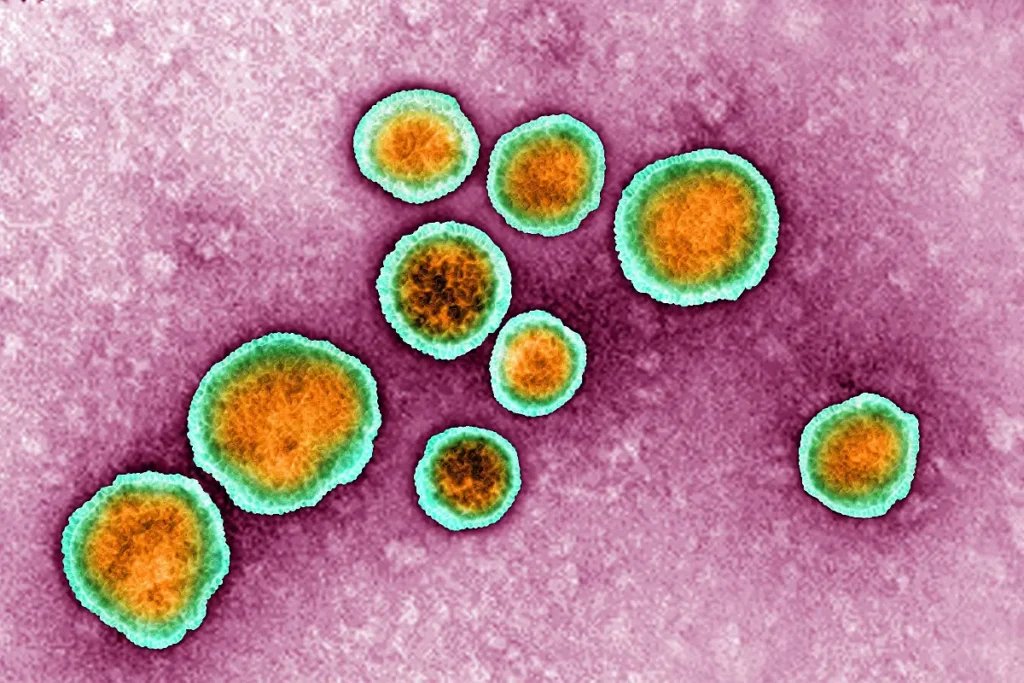
Health authorities are closely monitoring the situation, as RSV outbreaks tend to place significant pressure on pediatric healthcare services once infection numbers rise sharply.
What Is RSV?
RSV, or respiratory syncytial virus, is a widespread virus that primarily affects the respiratory system. For many people, RSV causes mild cold-like symptoms. However, for certain groups, it can lead to severe illness requiring medical treatment or hospitalization.
RSV is particularly concerning because it can trigger serious lower respiratory infections, especially in young children. In infants, the virus may cause bronchiolitis or pneumonia, both of which can be dangerous without proper care.
The virus typically spreads seasonally, often appearing after influenza activity peaks. This pattern is currently being observed again, prompting increased vigilance among healthcare professionals.
Why Health Authorities Are Warning About an RSV Wave
Recent surveillance data shows a noticeable increase in RSV detections. While overall levels remain moderate, this upward trend is considered an early indicator of a developing infection wave.
Influenza viruses are still responsible for most respiratory illnesses at this stage of the season. However, RSV is appearing more frequently in laboratory samples, signaling that its spread may intensify in the coming weeks.
Healthcare experts are particularly concerned because RSV outbreaks often lead to a surge in hospital admissions, especially among young children. Pediatric wards tend to feel the strain quickly once RSV circulation accelerates.
Who Is Most Vulnerable to RSV in Germany?
Not everyone experiences RSV in the same way. Certain groups are at a much higher risk of severe illness.
Infants and Young Children
Babies and toddlers are the most vulnerable. Their airways are smaller and more sensitive, making it harder for them to cope with inflammation caused by RSV. In some cases, even a mild infection can escalate rapidly.
Older Adults
People over the age of 60, particularly those with chronic heart or lung conditions, may also experience more serious symptoms and complications.
Individuals With Weakened Immune Systems
Those with compromised immune defenses, including people undergoing certain medical treatments, are at increased risk of severe RSV infection.
Common Symptoms of RSV Infection
RSV symptoms often resemble those of a common cold at first. These may include:
- Runny or stuffy nose
- Cough
- Mild fever
- Sneezing
In more severe cases, especially in infants and older adults, symptoms can worsen and include:
- Wheezing or rapid breathing
- Shortness of breath
- Difficulty feeding in babies
- Unusual tiredness or irritability
Parents and caregivers should be alert to any signs of breathing difficulty, as these require prompt medical attention.
How RSV Spreads
RSV spreads easily from person to person through respiratory droplets released when an infected individual coughs or sneezes. The virus is also able to remain on surfaces for several hours.
Infection can occur when someone touches a contaminated surface and then touches their eyes, nose, or mouth. Because of this, RSV spreads quickly in places where people are in close contact, such as daycare centers, schools, and households.
Preventing RSV Infection
Everyday Hygiene Measures
Good hygiene remains one of the most effective ways to reduce the spread of RSV in Germany. Simple measures include:
- Washing hands thoroughly and frequently
- Using tissues when coughing or sneezing
- Avoiding close contact with people who show symptoms of illness
- Cleaning frequently touched surfaces regularly
Staying home when sick helps protect others, especially infants and elderly family members.
Medical Prevention for Infants
For newborns and young infants, preventive medical options are available. Health authorities recommend specific protective treatments for babies entering their first RSV season, particularly those at higher risk of severe illness.
Parents should discuss available prevention options with their pediatrician to determine what is appropriate based on the child’s age, health status, and individual risk factors.
RSV Compared to Other Seasonal Viruses
During winter, multiple respiratory viruses circulate at the same time. Influenza continues to be the most dominant virus in Germany this season, while RSV activity is gradually increasing.
COVID-19 remains present but currently accounts for a smaller share of respiratory infections compared to flu and RSV. This combination of viruses places additional strain on healthcare systems and highlights the importance of prevention.
What Parents Should Watch For
Parents and caregivers should monitor children closely for symptoms that may indicate a worsening infection. Warning signs include:
- Persistent or worsening cough
- Fast or labored breathing
- High fever
- Poor feeding or dehydration
- Blue-tinged lips or fingertips
If any of these symptoms occur, medical advice should be sought immediately.
Support Materials
- Robert Koch Institute official respiratory virus data: https://influenza.rki.de/
- STIKO RSV immunization recommendations (Deutschlandfunk): https://www.deutschlandfunk.de/stiko-empfiehlt-rsv-impfung-fuer-neugeborene-und-saeuglinge-108.html
- General information about RSV from CDC (US CDC): https://www.cdc.gov/rsv/index.html
Final Thoughts on RSV in Germany
RSV in Germany is entering a phase that requires heightened awareness, particularly for families with young children. Early warning signs from health surveillance systems allow parents and caregivers to prepare and take preventive action.
By maintaining good hygiene practices, staying informed about preventive options, and recognizing symptoms early, it is possible to reduce the risk of severe illness during the RSV season.
What to Read Next






One Comment