
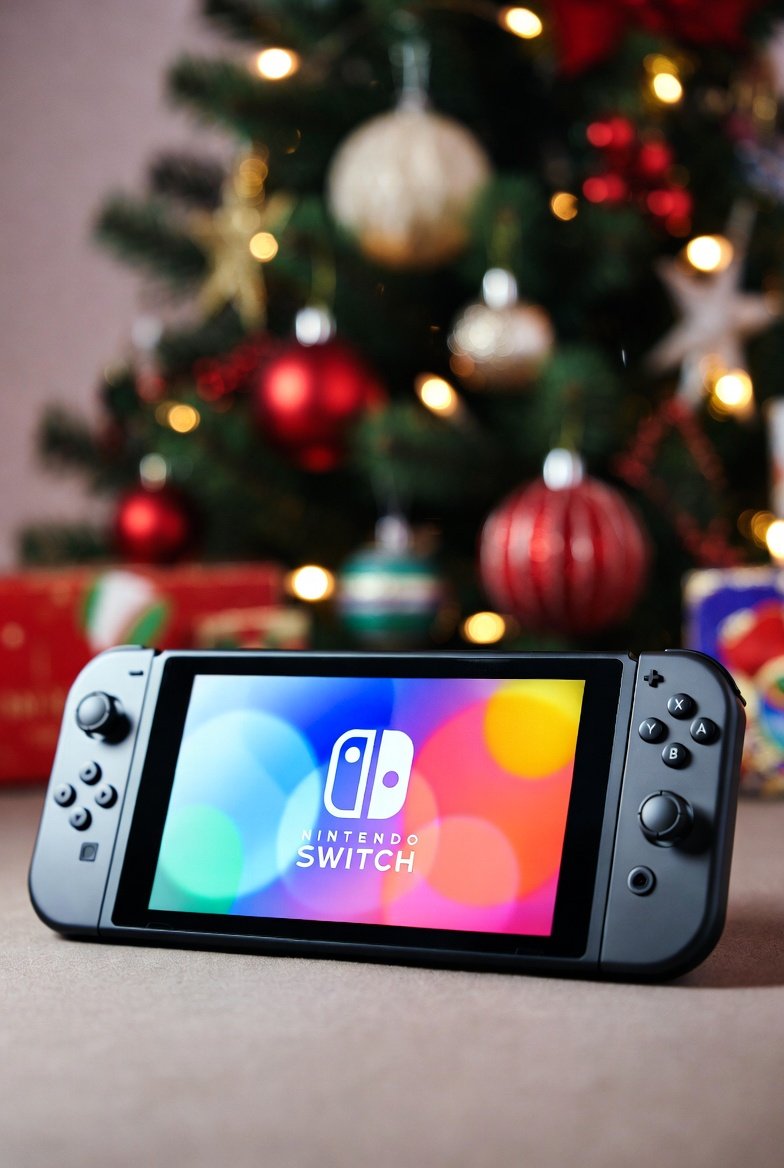
Switch 2 Sales Performance: What’s Behind the Holiday Slowdown
Switch 2 Sales Performance: A Close Look at the Holiday Numbers
witch 2 sales performance has been one of the most talked‑about trends in gaming this season especially after its record launch in mid‑2025. While the Nintendo Switch 2 started strong with huge early demand, recent data from the holiday period shows its momentum may have tapered off in some key markets. Let’s unpack what’s happening, compare the sales with the original Nintendo Switch, and explore what this could mean for Nintendo’s strategy going forward.

Strong Launch, But Mixed Holiday Results
When the Switch 2 debuted in June 2025, it delivered one of the biggest hardware launches in video game history, selling more than 3.5 million units worldwide in its first four days. Yet despite that impressive kickoff, the console’s holiday sales performance tells a more nuanced story.
According to holiday tracking data in major Western markets:
- United States: Switch 2 sales from November through December 2025 were down around 35% compared to holiday sales for the original Switch in the same period back in 2017.
- United Kingdom: Over the final eight weeks of the year, Switch 2 sales lagged about 16% behind where the original Switch was at the same point in its life cycle.
- France: This European market saw Switch 2 sales more than 30% lower than the original Switch’s first‑year sales.
These statistics suggest that while early adopters embraced the Switch 2, later holiday buyers in the West didn’t adopt it as quickly as they did the original Switch.
Why This Matters: Understanding Switch 2 Sales Performance
Holiday seasons are crucial in the gaming industry they can make or break a console’s first financial year. Switch 2 sales performance during November and December is especially important because those months typically drive a large percentage of annual sales for gaming hardware.
Competition and Market Conditions
Part of the slowdown may be explained by competitive market dynamics. For example, the PlayStation 5 remained a strong competitor in hardware sales during the same period, outpacing other consoles in some markets last November.
Economic Factors and Pricing
Other analysts have pointed to broader economic conditions and price sensitivity as potential barriers for some buyers. Higher hardware prices or less aggressive holiday discounts could reduce urgency among mainstream shoppers.
Game Lineup and Software Support
Software is a key driver of console demand. While the Switch 2 has strong first‑party titles, some reports suggest a relative lack of major Western titles during the holiday window may have dampened its appeal compared with the original Switch lineup.
A Broader Look: Long‑Term Sales vs. Holiday Spike
It’s important to keep this holiday performance in perspective. The Switch 2 is still selling strongly overall, even if its year-end numbers did not mirror the explosive holiday spike seen with the original Nintendo Switch. Holiday sales often create a misleading snapshot of a console’s health, especially when launch timing, market conditions, and buyer behavior differ from one generation to the next.
The original Nintendo Switch entered the market at a time when consumer demand for hybrid gaming was completely untapped. It was a fresh concept, affordable, and benefited from a quieter competitive landscape. By contrast, the Switch 2 launched into a more mature market where expectations are higher and buying decisions are more calculated. Many consumers who rushed to purchase the console at launch likely reduced the pool of buyers available during the holiday season.
Another factor influencing long-term trends is consumer upgrade behavior. Unlike first-time buyers in 2017, many potential Switch 2 customers already own a functioning Switch. For these players, the purchase decision is less about necessity and more about perceived value. Some may choose to wait for exclusive titles, hardware revisions, or price adjustments before upgrading. This naturally stretches sales across a longer timeline rather than concentrating them into a single holiday surge.
Supply chain management also plays a role in shaping sales patterns. Nintendo appears to have prioritized stable, steady distribution for the Switch 2 instead of pushing all inventory into the holiday window. While this approach may limit short-term spikes, it helps prevent shortages, scalping, and uneven regional availability all issues that can frustrate consumers and distort sales figures.
From a broader industry perspective, slower holiday sales do not necessarily indicate declining interest. Instead, they may signal a more sustainable sales curve. Consoles that rely heavily on holiday spikes often experience sharp drop-offs later in their lifecycle. A steadier adoption rate gives Nintendo more flexibility to build momentum through software releases, online services, and mid-cycle promotions.
Additionally, digital storefronts, online subscriptions, and downloadable content now play a larger role in revenue generation than they did during the original Switch era. Hardware sales are no longer the sole measure of success. A strong install base that grows gradually can still support a highly profitable ecosystem over time.
In the long run, the Switch 2’s performance should be evaluated across multiple quarters, not just a single holiday season. If Nintendo continues to deliver compelling games and maintains consistent availability, the console’s long-term outlook remains solid even without a dramatic holiday surge.
What This Means for Nintendo
So what does this mean for Nintendo’s next steps?
1. Focus on Software and Exclusive Titles
A consistent driver of console adoption is exclusive games that create must‑have demand. Nintendo could benefit from staging major releases throughout the year instead of clustering them near launch window hype.
2. Strategic Pricing Offers
Considering holiday sales performance, strategic discounts or bundle deals may help reinvigorate interest among price‑sensitive consumers.
3. Market‑Specific Strategies
Given the weaker performance in France compared with the UK, tailoring marketing and distribution strategies by region could improve overall demand.
Helpful Resources
- Nintendo Switch 2 sales slowed over Christmas – Video Games Chronicle (source) Switch 2 sales slowed over Christmas article
- PlayStation 5 hardware sales insights – VGChartz hardware charts PS5 best seller hardware sales overview
Final Thoughts
To summarize, Switch 2 sales performance over the holidays reveals a slowdown compared to the original Switch’s holiday numbers in key Western markets. However, this does not necessarily signal failure the console’s initial launch success and overall sales figures are still strong. What it does indicate is a need for strategic planning around pricing, software releases, and regional marketing to sustain momentum throughout the console’s lifecycle.
What to Read Next








One Comment