
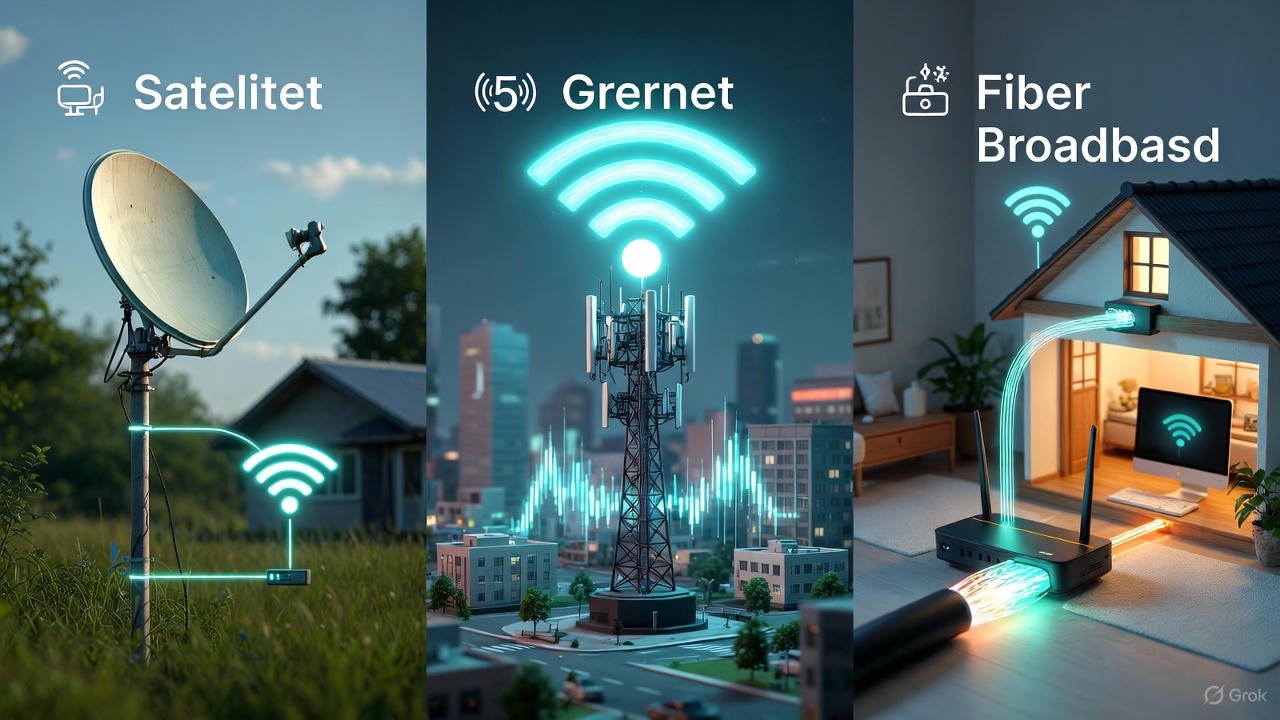
Internet Options in India: Choosing Between Satellite, 5G, and Broadband
Internet Options in India: A Practical Guide to Satellite, 5G, and Broadband
Internet options in India have expanded significantly as demand for high-speed connectivity grows across both urban and rural areas. Traditional broadband services now compete with next-generation 5G mobile networks and emerging satellite internet offerings. Each type of connection has its own advantages, costs, and ideal use cases, making it important for users to understand which option fits their needs best.
This article breaks down the key aspects of these internet technologies, compares their performance and affordability, and helps you make a smart choice based on your location and usage habits.

Overview of Internet Connectivity Choices
India’s digital landscape has evolved rapidly due to infrastructure investments and technological advancements. Today, most users choose between three primary internet options:
- Broadband (fiber or DSL) – traditional wired home or office internet
- 5G mobile networks – ultra-fast wireless connectivity
- Satellite internet space-based connectivity for remote or underserved areas
Each option offers different performance levels, cost structures, and coverage areas, so choosing the right one depends on priorities like speed, mobility, and budget.
Satellite Internet: Coverage Beyond Ground Networks
Satellite internet delivers connectivity via orbiting satellites directly to user terminals on the ground. This eliminates reliance on physical cables and towers, making it valuable for locations where wired networks are inadequate or unavailable.
Speed and Performance
Modern satellite services can provide speeds from around 50 Mbps to over 250 Mbps, with recent low Earth orbit (LEO) satellites offering lower latency suitable for streaming, video calls, and moderate gaming.
Cost Considerations
Satellite internet generally involves higher upfront costs for equipment like dishes and receivers. Monthly subscription charges also tend to be higher than typical broadband plans due to the complexity of delivering internet from space.
Best Suited For
- Rural and remote areas with limited ground infrastructure
- Places with unreliable or no wired broadband access
- Users needing continuous connectivity even in off-grid locations
Satellite internet remains a reliable option where other services fall short.
5G Internet: High-Speed Mobile Connectivity
5G networks represent the latest generation of mobile internet, promising ultra-fast speeds and low latency.
Speed and Mobility
5G can deliver speeds significantly faster than 4G and many wired broadband plans, with multi-gigabit potential in ideal conditions. Its key advantage is mobility users can access high-speed internet wherever there is coverage using a smartphone or 5G hotspot.
Cost Considerations
5G plans may cost more initially than 4G, but prices are becoming competitive as adoption grows. Since users avoid wired installation fees and can use data across devices, 5G offers flexibility and convenience.
Best Suited For
- Urban and semi-urban users seeking mobility
- Gamers, streamers, and remote workers requiring instant access
- Users wanting fast internet without a fixed connection
5G’s speed and flexibility make it a compelling choice in areas with good coverage.
Broadband Internet: Reliable and Budget-Friendly
Broadband refers to wired internet services delivered via fiber-optic or DSL networks. It remains widespread and cost-effective for households and offices.
Speed and Stability
Fiber broadband offers speeds from 100 Mbps up to 1 Gbps or higher. Wired connections are highly stable and suitable for multiple devices, smart homes, and continuous streaming.
Cost Considerations
Broadband is often the most affordable option for high-speed internet, especially when bundled with home phone or TV services.
Best Suited For
- Families and offices needing reliable internet
- Users with multiple connected devices
- Budget-conscious individuals who prioritize stable performance over mobility
For most homes and small businesses, broadband delivers the best balance of speed, reliability, and cost.
Helpful Resources
- Broadband basics explained: https://www.internetsociety.org/tutorials/what-is-broadband/
- 5G network explained: https://www.gsma.com/futurenetworks/5g/
- Satellite internet overview: https://www.space.com/satellite-internet
Comparing Internet Options in India
| Connectivity Type | Typical Speeds | Cost Level | Best For |
|---|---|---|---|
| Satellite Internet | Moderate to High | Higher | Remote areas, limited infrastructure |
| 5G Mobile | Very High | Moderate-High | On-the-go users, urban/metro areas |
| Broadband | High to Very High | Most Affordable | Homes, offices, multi-device users |
Conclusion: Choosing the Right Option
India’s internet options continue to expand, offering more choices than ever before. The best choice depends on your specific needs:
- Broadband: Reliable, cost-effective for homes and offices.
- 5G: Ultra-fast and mobile, ideal for urban users.
- Satellite Internet: Essential for remote areas without wired or 5G coverage.
Hybrid solutions, like combining broadband at home with 5G on the go, can also provide flexibility and value.
What to Read Next





One Comment