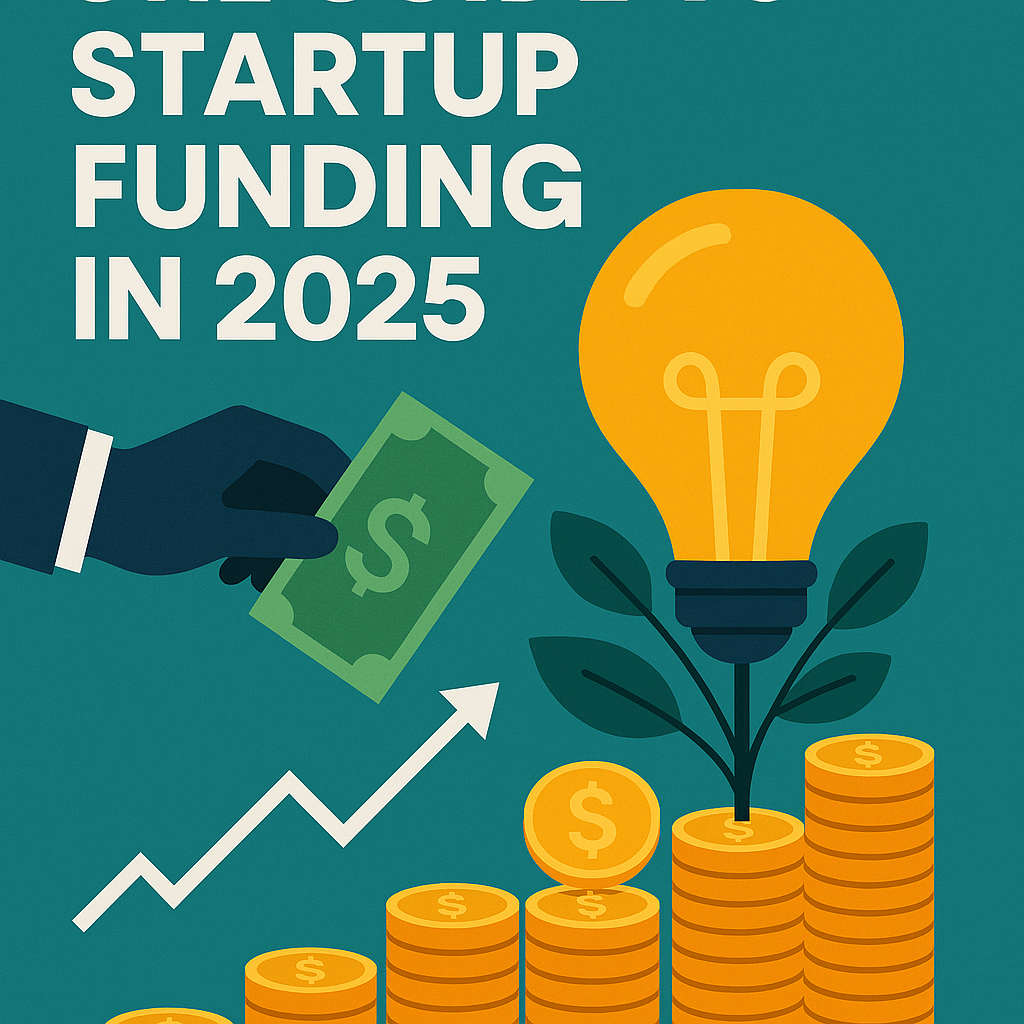
The Guide to Startup Funding in 2025: Navigating Your Path to Growth
The Guide to Startup Funding in 2025: Navigating Your Path to Growth
The startup landscape has undergone rapid transformation in recent years, and startup funding in 2025 presents new opportunities and challenges for entrepreneurs. With advances in technology, changes in investor behavior, and the rise of alternative funding methods, there’s never been a more dynamic time to raise capital for a new venture.
Whether you’re an aspiring entrepreneur or a seasoned founder, understanding the latest funding strategies is crucial for scaling your business in 2025. In this guide, we’ll break down the key funding options available to startups and provide insights into how you can secure the capital you need to take your business to the next level.
1. Venture Capital: The Traditional Route, Evolving in 2025
Venture capital (VC) remains one of the most sought-after sources of funding for high-growth startups, and it’s expected to continue playing a central role in startup funding in 2025. However, the venture capital landscape has evolved significantly in recent years, and understanding the trends shaping this space is key to attracting investment.
Key Trends in Venture Capital for 2025:
- Increased Focus on Impact Investing: Investors are increasingly looking for startups that align with their values, particularly in areas like sustainability, social impact, and diversity. For founders, this means that pitching a business model with a clear social or environmental benefit could give you an edge.
- Early-Stage Funding Becoming More Accessible: While venture capital has traditionally been focused on later-stage companies, more investors are now willing to provide funding to early-stage startups with strong growth potential.
- Global Expansion: With the rise of digital platforms and remote teams, investors are increasingly looking beyond traditional startup hubs like Silicon Valley and funding companies from emerging markets across the globe.
For startups seeking VC funding in 2025, it’s important to ensure that your business aligns with the latest investor trends and offers clear scalability and impact.
2. Angel Investors: A Strong Start for New Entrepreneurs
Angel investors, often high-net-worth individuals, continue to be a valuable source of funding for early-stage startups. These investors typically provide seed capital in exchange for equity or convertible debt, offering not only money but often mentorship and valuable industry connections.
Why Angel Investment Still Works in 2025:
- Quick Decision-Making: Angel investors tend to have more flexible decision-making processes compared to venture capital firms, which can lead to faster funding for startups.
- Access to Networks: Beyond capital, angel investors often provide strategic advice and access to networks that can help startups grow quickly.
- Support for High-Risk Ideas: Angel investors are generally more willing to take risks on early-stage or unconventional ideas that might not yet have proven business models.
To attract angel investors in 2025, it’s crucial to present a compelling vision, a solid business plan, and a clear strategy for growth.
3. Crowdfunding: Democratizing Startup Funding
Crowdfunding has become a powerful tool for raising capital, and it continues to thrive in 2025. Platforms like Kickstarter, Indiegogo, and GoFundMe have democratized funding by allowing entrepreneurs to pitch their ideas directly to the public. This model is especially useful for startups with consumer-facing products or services that can generate widespread interest.
Why Crowdfunding is Gaining Traction in 2025:
- Pre-Sale Opportunities: Crowdfunding platforms allow startups to offer early access to their products in exchange for funding, essentially acting as a pre-sale.
- Market Validation: Successfully raising funds through crowdfunding can serve as a form of market validation, proving that there is consumer demand for your product.
- Low Equity Dilution: Unlike traditional venture capital, crowdfunding does not require you to give up equity in exchange for funding. Instead, contributors may receive rewards or early access to products.
To successfully navigate crowdfunding in 2025, it’s important to have a compelling pitch, a strong social media presence, and a marketing strategy to engage potential backers.
4. Government Grants and Loans: A Low-Cost Funding Option
In many countries, governments offer a variety of funding options for startups, including grants, loans, and tax incentives. These options are particularly valuable for startups in industries like technology, health, and clean energy, where innovation is often encouraged and supported by public policy.
Key Benefits of Government Funding in 2025:
- Non-Dilutive Capital: Most government grants do not require startups to give up equity or repay the funds until certain conditions are met.
- Targeted Support: Many grants are aimed at specific sectors or research and development efforts, which can be an ideal fit for startups working on cutting-edge technology or solving specific social problems.
- Encouragement for Innovation: Governments continue to support entrepreneurship, particularly in areas such as clean energy, healthtech, and AI, providing startups with both financial support and access to industry networks.
For startups in 2025, government funding remains an attractive option, though it often requires navigating a complex application process.
5. Corporate Venture Capital and Strategic Partnerships
In addition to traditional venture capital, corporate venture capital (CVC) has emerged as a growing source of funding for startups. In CVC deals, large corporations invest in startups that align with their business objectives, offering funding in exchange for equity or strategic partnerships.
Why CVC is Important in 2025:
- Access to Industry Knowledge and Networks: Corporations bring not only capital but also expertise, supply chains, and customer bases that can help startups scale quickly.
- Co-Development Opportunities: Many corporate investors are interested in partnerships that go beyond just funding. These partnerships can involve co-developing new products or services together.
- Long-Term Collaboration: CVC investments often result in long-term relationships between the startup and the corporate investor, opening doors to future collaboration and growth.
To attract CVC funding, your startup should align with the corporation’s strategic goals and demonstrate how the partnership can drive mutual value.
6. Decentralized Finance (DeFi) and Blockchain Funding
As blockchain technology continues to evolve, Decentralized Finance (DeFi) is emerging as an alternative funding method for startups in 2025. DeFi offers decentralized platforms for raising capital through tokens, digital currencies, and Initial Coin Offerings (ICOs).
Why DeFi is Gaining Popularity in 2025:
- Access to Global Capital: DeFi allows startups to tap into a global pool of investors without the need for intermediaries, providing access to capital across borders.
- Transparency and Security: Blockchain provides a secure and transparent way to raise funds, with all transactions recorded on an immutable ledger.
- Tokenization of Assets: Startups can tokenize their products or services, offering them as digital assets in exchange for capital, which can attract investors in the cryptocurrency space.
DeFi is still a relatively new funding method, so it’s important to carefully assess the risks and benefits of raising funds through blockchain-based platforms.
Helpful Resources
Conclusion
As we look toward startup funding in 2025, it’s clear that the landscape is becoming more diverse and dynamic. From traditional venture capital to the rise of blockchain-based funding, startups have a wide array of options to explore. Whether you’re seeking angel investment, crowdfunding, or corporate venture capital, understanding the latest trends and strategically choosing the right funding method for your business is essential.
With careful planning, a solid business plan, and a clear growth strategy, startups can leverage these funding options to fuel their journey and navigate the challenges of 2025 and beyond.ardless of the funding path they choose
What to Read Next