

What Is Galaxy Gas & What Does It Do to You?
Throughout the past several years, “Galaxy Gas” has become ubiquitous on social media, in vape shops, and in conversations about youth culture in the mainstream. Whether one spots the colorful canisters online, or hears friends chatting about “whippets,” the connection to “Galaxy Gas” has been happening more and more. But what is Galaxy Gas? And maybe more importantly, what does Galaxy Gas do to the body and mind? This article parses out everything one needs to know in accurate and accessible language.
What Is Galaxy Gas?
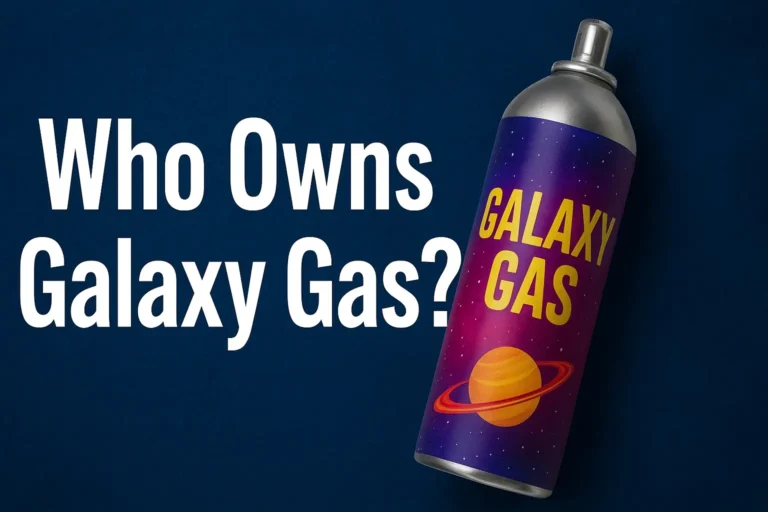
Galaxy Gas is a company that produces and sells nitrous oxide (N₂O) tanks and canisters for culinary usage. It produces products which are intended for the following applications:
- Whipped cream
- Flavor infusions
- Foams in desserts and beverages
- Professional kitchen use
Nitrous oxide has been used in food production for many years, well before Galaxy Gas became popular in more recent years. When it is put into a whipped-cream dispenser, nitrous oxide dissolves into the cream, and it then expands quickly creating the fluffy texture many people are familiar with for toppings on beverages, cakes, and desserts.
However, Galaxy Gas culture does not revolve exclusively around these culinary uses.
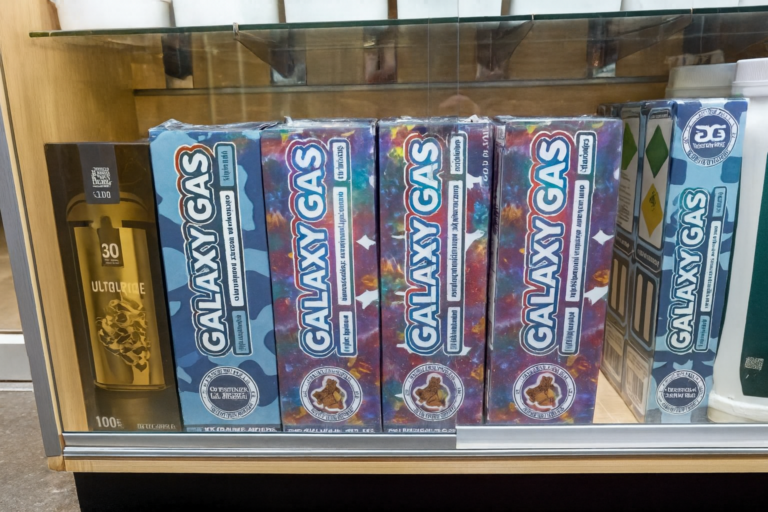
Because of the company’s vivid, visual packaging and fruit designs, and derived from regular distribution through smoke shops and the web, it quickly gained notoriety for a completely different purpose: recreational inhalation. It became readily associated with the broader context of “whippets,” a slang term for inhaling nitrous oxide to achieve a rapid euphoric body high.
Being easy to access in many situations and a relatively inexpensive acquisition, the product quickly gained alighting among teenagers and young adults. This transition from a kitchen utensil to being identified as a recreational inhalant is largely what contributes to the continued controversy of Galaxy Gas, as the association continues to evolve and take on a life of its own in popular culture.
How Nitrous Oxide Works in the Body
When nitrous oxide is inhaled, it rapidly enters the bloodstream through the lungs and affects the central nervous system. While medical uses deliver N₂O mixed with oxygen under controlled settings, recreational inhalation often involves pure nitrous oxide leaving out vital oxygen. This lack of oxygen is what creates the short‑lived “high” many users seek.
Why Is Galaxy Gas So Widely Talked About?
There are several reasons that may explain the rapid rise of Galaxy Gas:
- Social Media Attention
There are short videos on TikTok, Snapchat, and other social media platforms that show individuals inhaling nitrous oxide. Oftentimes, the context presents recreational use as normal or safe even when a person is not treating it that way.
- Attractive Branding
Galaxy Gas uses vibrant designs with names that make references to candy or dessert flavors. While the branding is meant to refer to cooking applications, it also semi-unintentionally caters to buyers who are younger.
- Easy Access
Canisters and tanks of nitrous oxide are sold in:
- Smoke shops
- Vape shops
- Certain convenience stores
- Online retailers
This makes it easy to get in many locations, although laws are tightening in some places.
- Misconception of Safety
Because nitrous oxide can be used in a medical context without adverse side effects, some assume inhaling nitrous oxide as a recreational use is not dangerous to one’s health. This is not the case. Delivery in a medical setting typically includes controlled delivery of oxygen, medical professionals, and appropriate devices.
What Does Galaxy Gas Do to You If Inhaled?
Although Galaxy Gas is intended for food preparation, a significant number of people inhale the nitrous oxide released from the canisters. Recognizing nitrous oxide’s effect on your body is essential for education and harm reduction.
When inhaled, nitrous oxide displaces the oxygen in your lungs—consequently, your brain receives less oxygen for a limited time. This change produces the immediate, rapid, and short-lasting sensation associated with “whippets.”
Short-Term Effects of Inhaling Galaxy Gas
The immediate effects typically last between 30 seconds and 3 minutes. Users may experience:
Euphoria
A sudden wave of happiness or laughter, which is why nitrous oxide is sometimes called “laughing gas.”
Lightheadedness or Dizziness
Many people feel their balance shift or their body feel “floaty.”
Tingling Sensations
Hands and feet may feel warm, tingly, or numb.
Muffled or Echoing Sounds
People often describe sounds as “slow-motion,” “echo-like,” or “underwater.”
Temporary Loss of Coordination
This is why many people fall or stumble during or after inhalation.
Brief Disconnection from Reality
Some describe it as a dreamlike state or momentary dissociation.
Because the high is so short, people often inhale repeatedly this significantly increases risk.
Short-Term Risks and Dangers
Even occasional use poses significant risks, such as:
Oxygen Deprivation (Hypoxia)
When the brain is deprived of oxygen, you can faint/collapse and/or become confused. High levels of oxygen deprivation can cause seizures, heart issues, or death.
Accidental Injury
Falling down is often caused by balance issues, and leads to cuts, broken bones, and head injuries.
Frostbite Burns
Nitrous oxide is expelled from the canister extremely cold, and can burn skin or lips.
Car Accidents
Some individuals inhale nitrous oxide while driving, which is highly risky because it impairs reflexes and awareness.
Impaired Decision‑Making
Under the influence, people may attempt dangerous activities like driving, operating heavy machinery, or mixing substances which amplifies the risk of harm.
Long-Term Effects of Repeated Use
Prolonged or substantial consumption can result in more profound—and even sometimes irreversible health consequences:
Vitamin B12 Deficiency
Nitrous oxide disables B12 in the body, which is necessary for maintaining good blood and nerve health.
Nerve Damage (Neuropathy)
People may experience:
- Numbness
- Weakness
- Difficulty walking
- Tingling hands or feet
- Loss of motor control
Cognitive and Psychological Issues
People with chronic nitrous oxide exposure may experience memory problems, difficulty concentrating, mood disorders, and increased anxiety.
Memory and Concentration Issues
Mood and/or Anxiety disorders
Anemia
Due to suppression of red blood cell production.
If not treated, an irreversible long-term damage could result.
Medical Uses Versus Recreational Uses
N20, when used in the medical arena, is combined with oxygen typically in a 50/50 mixture — and is always administered by a trained health care provider. This minimizes risks to patients. In contrast, for recreational use, pure nitrous oxide is used, and since there is no oxygen supplied, there is a high risk of oxygen deprivation.
Medical vs. Recreational Use
In clinical settings such as dental offices and hospitals nitrous oxide is mixed with oxygen and administered by trained professionals. This dual‑gas approach helps mitigate oxygen depletion and makes the experience much safer for patients.
Recreational use, by contrast, involves inhaling pure nitrous oxide without oxygen supplementation a major factor in why serious adverse effects occur.
Legal and Safety Considerations
Nitrous oxide itself is not illegal in many countries because of its legitimate culinary and medical uses. However, using products like Galaxy Gas for recreational inhalation is often prohibited and can carry legal consequences.
Public health agencies including poison control centers and health departments warn against inhaling nitrous oxide outside controlled environments due to significant health hazards.
Helpful Resources
- Learn about nitrous oxide’s medical uses at Mayo Clinic: https://www.mayoclinic.org
- Poison Control’s info on inhalant risks: https://www.poison.org/articles/galaxy-gas
- FDA warning on nitrous oxide misuse: https://www.reuters.com/article/idUSL1N3BY289
Conclusion
At its core, Galaxy Gas is a culinary nitrous oxide product, but its use has expanded as a recreational inhalant. The high is so short-lived that many people do not appreciate the risks – oxygen deprivation and long-standing nerve damage to just mention a few.
It is important to understand what Galaxy Gas is, how it works on the body, and what effects it has on you so you can make informed decisions and remain safe.
What to Read Next



One Comment