Galaxy Gas Effects
Galaxy Gas Effects Over. the past few years, Galaxy Gas has gained recognition both in the culinary world and perhaps controversially among youth and social media culture. Though the product is advertised as nitrous oxide for the food industry, specifically for whipped cream and professional kitchens, its popularity has grown due to recreational inhalation of nitrous oxide. Understanding the effects of Galaxy Gas is critical, especially with the trend of use among adolescents and young adults. Whether you are a caregiver, a student, a health educator, or someone who just wants to get the facts, this comprehensive guide describes what Galaxy Gas does to the body and brain over the short- and long-term.

What Is Galaxy Gas?
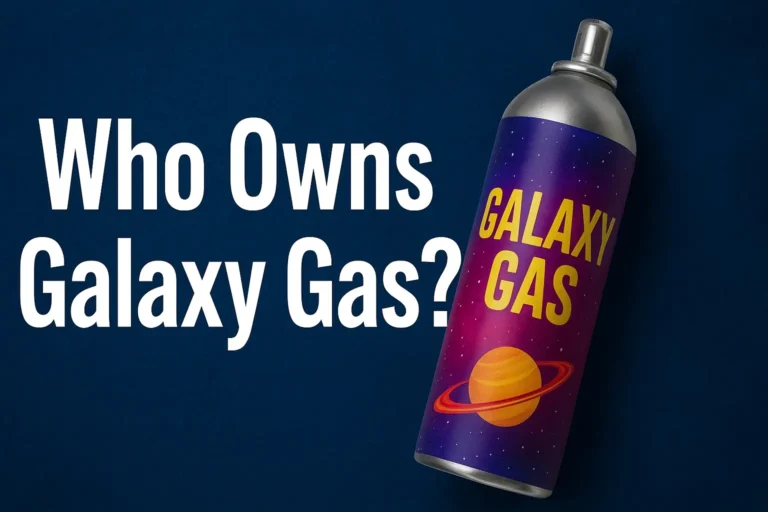
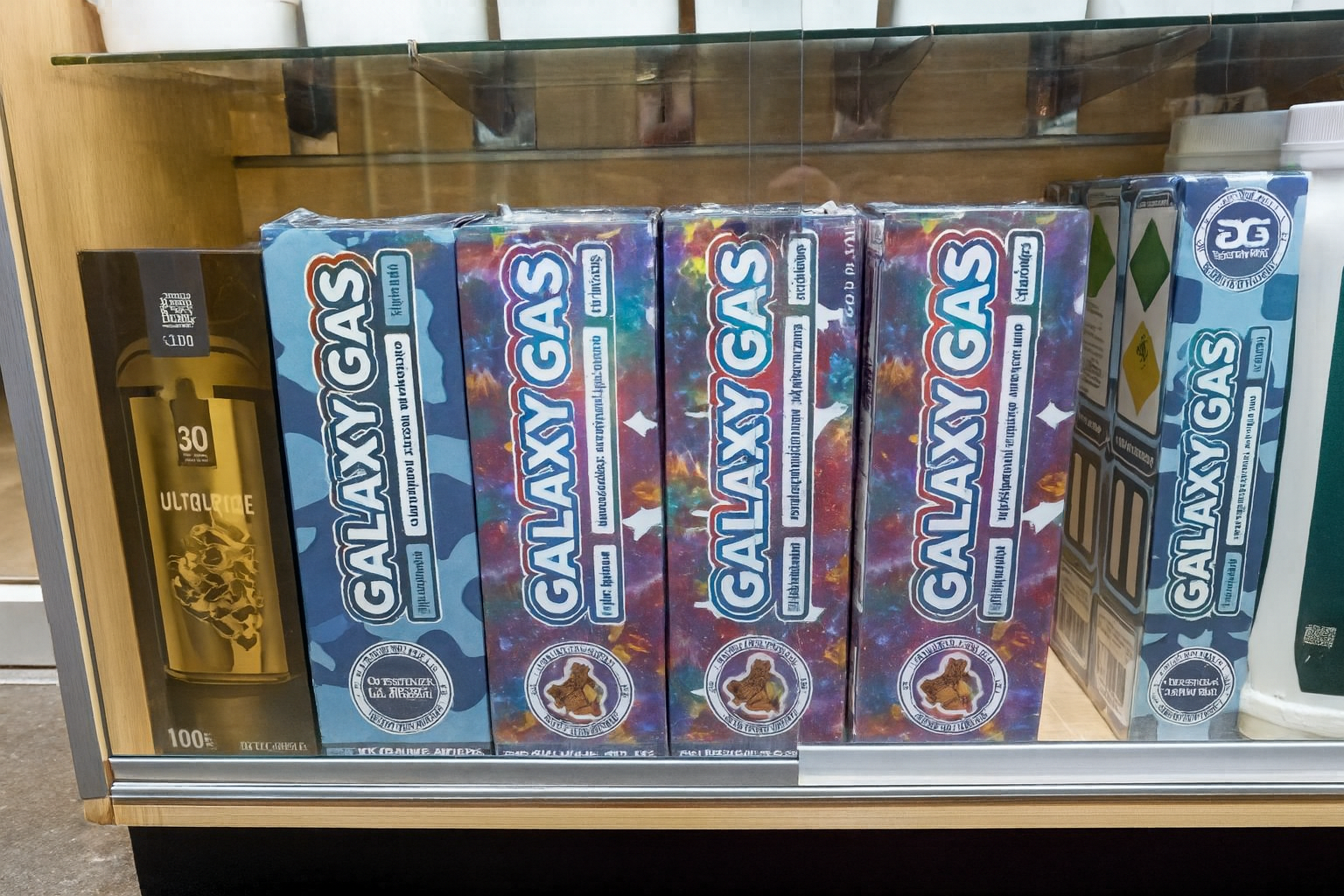
Galaxy Gas is a name for nitrous oxide (N₂O) canisters and tanks. In food service settings, nitrous oxide is used to pressurize whipped-cream dispensers to build foams. However, outside of food service, nitrous oxide is being inhaled for its psychoactive effects causing a brief, intense “high.” This is where the concern begins.
With colorful branding, easy online access, and viral videos promoting the use of “whippets,” Galaxy Gas gained interest that went well beyond the food service. Understanding the effects of nitrous oxide can help a person understand the misconception and risk associated with its recreational use.
Short-Term Effects of Galaxy Gas
When breathed in, nitrous oxide replaces the oxygen that the brain usually gets. A sudden decrease in oxygen leads to quick and short-lived feeling that recreation users are after.
- Euphoria and Laughter
Nitrous oxide (N2O) is referred to as “laughing gas” for a reason. One of the quickest effects of nitrous oxide is a rush of euphoric feelings, sudden happiness, giggles, and an overall free-spirited feeling. The gas interacts with neurotransmitters involved in mood and pleasure.
- Lightheadedness and Dizziness
Because nitrous oxide lowers oxygen levels in the brain temporarily, many individuals feel dizzy or experience a floating sensation. This sensation can be dream-like, however, it can also disrupt balance.
- Changes in Sound and Perception Sounds may be experienced as:
- An echo
- Muffled
- Slow
- Distant
Users often report a feeling of disconnect in their surroundings or perceive a temporary “delay” between when something is heard and when they respond.
- Tingling or Numbness
A warm tingling sensation is common in the:
- Hands
- Feet
- Face
- Lips
This is because nitrous oxide impacts nerve conduction and blood flow.
- Distorted vision
Some users will experience blurry, tunneling, or shifting colors in vision. This usually lasts a few seconds to a couple of minutes.
- Disorientation and Confusion
The mind feels “foggy” or unfocused, or may briefly feel detached from reality. Some describe it as feeling “out of body”, or like they were in slow motion.
- Loss of Coordination
This is one of the most dangerous immediate effects. Many injuries occur becauseLoss of Coordination
- Fall backwards
- Trip over furniture
- Hit their head
- Collapse suddenly
In fact, a single inhalation can wipe out enough coordinated function to create accidental injury.
Short Term Risks of Galaxy Gas
Although these sensations may be harmless to some, the potential risks are serious.
- Oxygen Deprivation (Hypoxia)
The greatest danger is lack of oxygen going to the brain. Signs & symptoms of hypoxia include:
- Fainting
- Blue lips
- Irregular breathing
- Seizure-like movements
- Unconsciousness
In the most extreme condition, hypoxia can lead to permanent brain damage or sudden death, especially when inhaled repeatedly.
- Falls, Accidents & Head Injuries
Because Galaxy Gas causes immediate imbalance, many users suffer:
- Concussions
- Broken teeth
- Lacerations
- Broken bones
- Facial injuries
This is typically seen if the user inhales while standing or moving thoroughly
- Skin or Facial Frostbite Burns
Nitrous oxide is extremely cold when dispensed from a canister. Direct frosting can result in:
- Frostbite
- Burns
- Blisters
- Lip balance or finger damage
This is especially likely if nitrous oxide is inhaled directly from tanks or charger devices.
- Blackout Events
Some users will experience a temporary loss of consciousness. This is incredibly dangerous when it occurs:
- While driving
- On stairs
- Near water
- In a club or crowded environment
- When alone
Loss of consciousness may last for seconds or minutes, without any warning.
- Dangerous Mixing with Alcohol
Alcohol and nitrous oxide can increase each other’s sedative effects. The risk of:
- Vomiting
- Choking
- Passing out
- Respiratory problems
is greatly increased through mixing.
Long-Term Effects of Galaxy Gas
While the short-term effects are concerning, the long-term effects are often more serious and far less understood by casual users.
- Depletion of Vitamin B12
Nitrous oxide inactivates vitamin B12 in the body. Vitamin B12 is important for the following:
- Nerve health
- Red blood cell creation
- Brain function
Long-term or chronic use may have detrimental effects causing deficiencies.
- Nerve Damage (Neuropathy)
One of the most dangerous long-term effects is nerve damage, which may become permanent. Symptoms include:
- Tingling
- Numbness
- Walking problems
- Weakness in legs
- Loss of balance
- Coordination problems
Some heavy users may take months or years of rehab to regain normal function.
- Cognitive and Memory Problems
Long-term use can affect the following:
- Memory
- Attention
- Decision-making
- Reaction time
These changes may remain even after stopping use.
- Anemia and Fatigue
Because nitrous oxide affects the creation of red blood cells, users may experience:
- Chronic tiredness
- Pale skin
- Weakness, and
- Dizziness
- Mental health Changes
Some long-term users report:
- Anxiety
- Depression
- Mood swings
- Emotional numbing
Mental health changes can arise from both chemical effects and lifestyle effects.
The Psychological Effects of Galaxy Gas
In addition to physical effects, we should address the psychological effects.
Users may exhibit:
Compulsive Use
The duration of the high is brief, prompting users to inhale multiple times within a single session.
Tolerance
Over time, the user increases the amount used to achieve the desired effect.
Risky Behavior
The feeling of detachment from one’s immediate surroundings may put one in a possible impulsive and unsafe situation.
What is an Overlooked Danger of Inhaling Repeatedly?
The current inhalation has only temporary effects; for example, if a user inhales additional gas within the same session, the attendant medical risks increase significantly. Inhalation made during nearly consecutive intervals during a single episode of inhalation greatly amplifies the essentially instantaneous and dangerous risks of
- oxygen deprivation,
- nerve damage,
- stress to the heart,
- loss of consciousness,
- and permanent damage.
Most cases of hospitalization due to inhalation of nitrous oxide/galaxy gas results from the user inhaling multiple times in one session, typically over the course of several minutes.
Helpful Resources
- FDA advisory on nitrous oxide misuse: https://www.fda.gov/food/alerts-advisories-safety-information/fda-advises-consumers-not-inhale-nitrous-oxide-products
- Poison Control info on nitrous oxide risks: https://www.poison.org/articles/galaxy-gas
- AddictionCenter explanation of Galaxy Gas dangers: https://www.addictioncenter.com/community/galaxy-gas/
The Conclusion
Galaxy Gas may appear harmless due to a fun, colorful package and having its roots in food/cooking, but the physical and psychological consequences should not be ignored short-term and particularly long-term. For educational purposes, prevention purposes, or just as general knowledge for young people today, the facts about the experience (both positive and hazardous), the physicality, and concern of potential nerve damage should not be overlooked. Galaxy Gas should be viewed as a substance in recreational scene today, without judgment of a stigma, rather simply the awareness of the use of nitrous oxide in the recreational inhalation context.
What to Read Next